SocialMaharaj Technology, Travel, Food et al
Related Articles

I know I owe the blog a lot of posts. March had me in Amsterdam for KubeCon Europe, followed by a short getaway to Belgium and Luxembourg. And then, barely a week after I got home, I was on a flight on my first trip to Japan and the eastern part of the world. I only just got back, and while I still owe you posts from Europe and Peru, Japan felt too fresh and too good not to write about first.
This is the first post in my Japan series, and it covers the complete picture – why I went, the visa process, the flight, the itinerary across Tokyo, Kyoto and Osaka, and the big question every vegetarian Indian traveller asks before booking: will I actually find food to eat?
Check out my reel on Instagram
My Japan Trip – Quick Facts
| Trip duration | ~10 days |
| Cities covered | Tokyo, Kyoto, and Osaka (day trip) |
| Visa type | Single entry Japan tourist visa |
| Visa cost | ₹500 + VFS processing charges |
| Travel month | April 2026 |
| Flights | Japan Airlines (Bangalore to Narita), IndiGo (Hyderabad to Bangalore) |
Why Japan? (And Why Now)
I’ve been lucky enough to explore a lot of the western world over the years – USA, Europe, South America, West Asia. But I had never stepped into eastern Asia, not once. Japan had been on the list for a while, but it was one of those trips I kept pushing forward.
Then two things happened at the same time. One, I realised I had accumulated a decent amount of credit card points that I had transferred to Japan Airlines, and those points were expiring in August 2025. Two, it was literally the last week of August when I noticed this. I had one week to either use those miles or lose them.
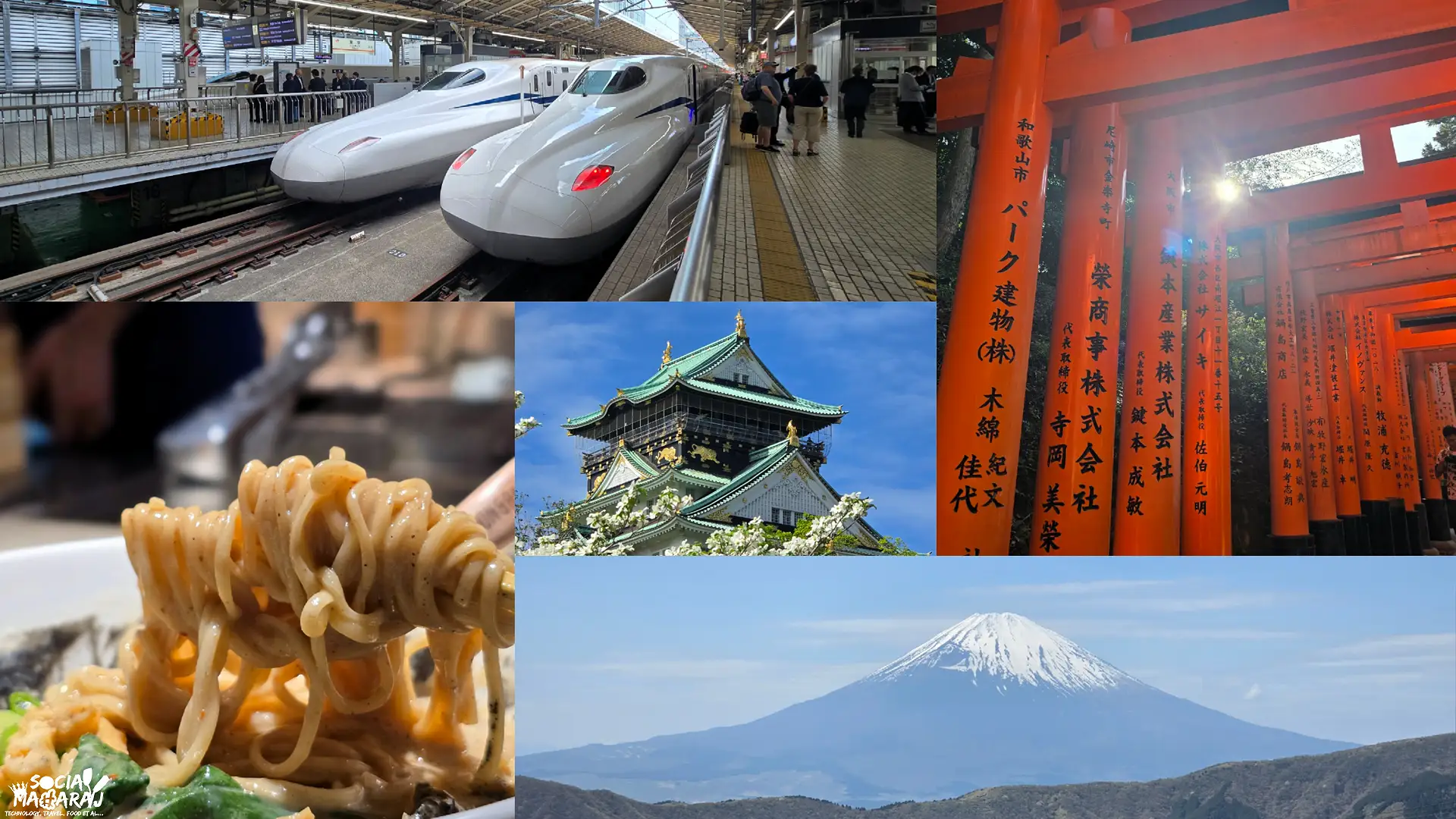
So I did what any sensible person does in a mild panic – I opened the JAL website, found a week in 2026 that had decent availability, and booked tickets to Tokyo. Thailand, Vietnam and Singapore were briefly on my mind, but I wanted a destination where JAL actually flew and where the rates made sense. Japan ticked both.
I’ll be straight with you: if I didn’t have those JAL miles, this trip would not have happened, at least not in 2026.
Japan Visa for Indians: What You Need to Know
Yes, you need a visa if you hold an Indian passport. Most of my previous international trips have been work-related, so the company’s visa agent handled everything. This was my first time doing it myself for a holiday, and I’ll be honest – it was more straightforward than I expected.
Here’s what the process looks like:
Documents you’ll need
- Completely filled visa application form – you can find it here (please check the latest one when you apply).
- Cover letter explaining the purpose of the visit, duration and your plans
- Day-wise trip itinerary with accommodation details
- ITR statements for the last 3 years (for salaried employees)
- Bank statements for the last 6 months
- Employment letter and approved leave letter
- Confirmed flight tickets
- Hotel or hostel bookings (pay-at-property bookings work fine)
- Passport-size photographs
- All your passports, including expired ones (yes, really – I was hesitant too, but they needed it)
So in terms of documents, this felt like applying for a UK or Schengen visa!
The VFS Global process
Japan visa applications in India go through VFS Global. While the Hyderabad centre does allow walk-ins for Japan visas, I booked a slot in advance to avoid any uncertainty. Take all your documents, submit them at the counter, and pay the fee. For a single-entry tourist visa without a guarantor, the fee is ₹500, plus optional courier charges and VFS processing fees on top.
They keep your passport, and I got mine back within 10 working days with a 15-day single-entry visa. Clean and simple.
One tip: the day-wise itinerary they ask for doesn’t need to be overly detailed, but it should be realistic and match your hotel bookings. Don’t overthink it.
Hyderabad to Japan on Japan Airlines: An Honest Review
I want to be upfront here. My flights were virtually free. I had used my credit card points (converted to JAL miles) to book these tickets, which meant I paid about 5% of what the tickets actually cost. Flights from Hyderabad to Tokyo on Japan Airlines typically run between ₹50,000 and ₹80,000 return. That’s the context.
For the routing, I flew IndiGo from Hyderabad to Bangalore (also on remaining credit card points, paid a little extra for additional baggage since I knew I’d come back with more than I left with), and then Japan Airlines from Bangalore to Narita. The BLR-NRT flight departs at 02:55 AM, which is not ideal, but it’s the route that exists.
The aircraft and seats
JAL operates a 787 on this route with a 2x4x2 configuration. I flew economy and chose a window seat, which I always do. Pro tip: pick a window seat on the left side of the aircraft going into Tokyo – on a clear day, you get a view of Mt. Fuji from up there. I didn’t see it because of cloud cover, but the shot apparently can be stunning.
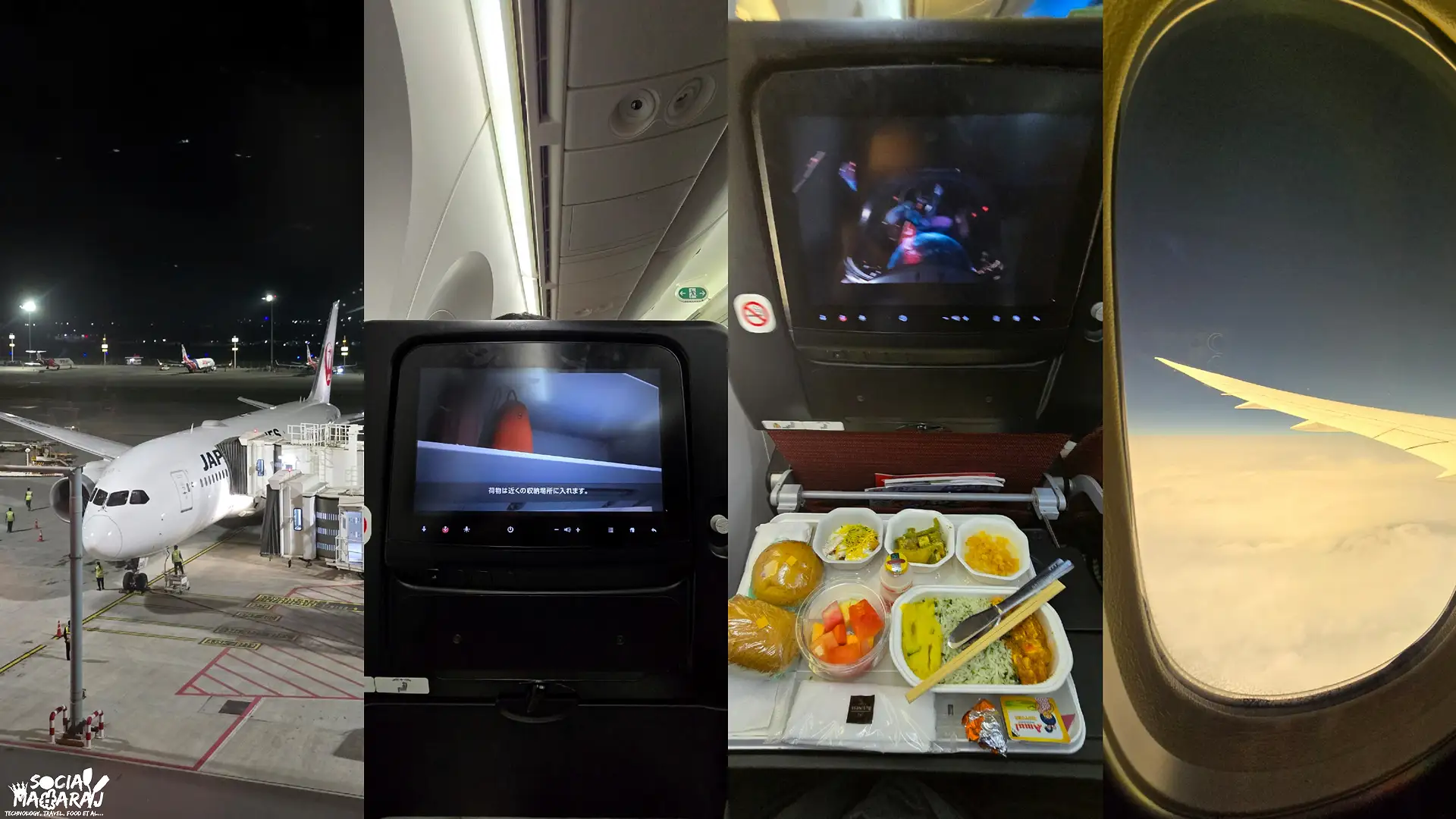
Legroom in economy is decent. Seats are fine. No complaints there.
Entertainment system
This was the weak point. After flying Emirates, Qatar and Etihad over the years, I’ll admit I’m a bit spoilt. The JAL IFE had limited content options, and the system’s UX was not great. If you plan to watch movies on a 7-hour overnight flight, manage your expectations.
Food (AVML)
I had pre-booked AVML (Asian Vegetarian Meal), and the food genuinely surprised me on both legs. On the Bangalore departure, they served a bread roll and a Yakult drink shortly after takeoff, followed by lunch a few hours later: paneer starter, dal, rice, paneer curry, bread and a boondi with rabri dessert that was lovely. On the return leg, dinner was served soon after boarding — a similar spread with dal, paneer and rice – and closer to Bangalore, we got bread and salad.
Overall, a decent flight. Not the best carrier I’ve flown, but given I paid almost nothing for it, I have absolutely no complaints.
One more thing worth mentioning: I read somewhere that JAL offers free domestic flights within Japan if you book a return international ticket through their website. I couldn’t use this since I had booked with miles, but it’s worth checking before you book.
My Japan Itinerary: Tokyo, Kyoto and Osaka
I’ll be frank – I built this itinerary with Claude’s help, along with a lot of inputs from friends who had been to Japan or just somehow knew far too much about it. I had booked the tickets back in August 2025 for an April 2026 trip, and by the time I actually sat down to plan it properly, I was already in Amsterdam. So yes, I used all the help I could get.
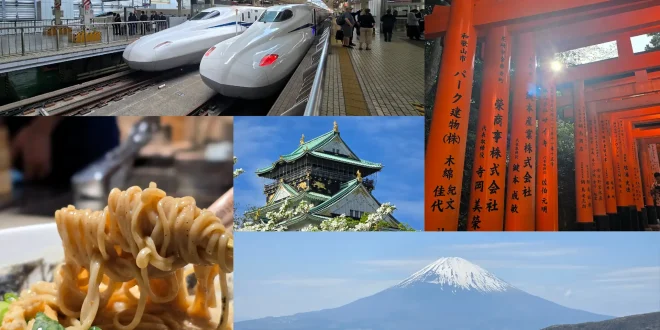
The itinerary itself isn’t fancy. It’s the classic Golden Route for Japan that most first-timers follow: Tokyo, Kyoto and Osaka. And I’ll say this – the Golden Route is called that for a reason. For a first trip, it’s the right call. Don’t let anyone make you feel otherwise.
Tokyo (5 Nights)
Since I was landing at Narita, I made Tokyo my base for the first 3 nights before heading to Kyoto, and returned for 2 more nights before flying out. I stayed in Shinjuku, which is one of the better decisions you can make as a first-timer – it’s central, brilliantly connected to the rest of the city, and everything from food to shopping is right there.
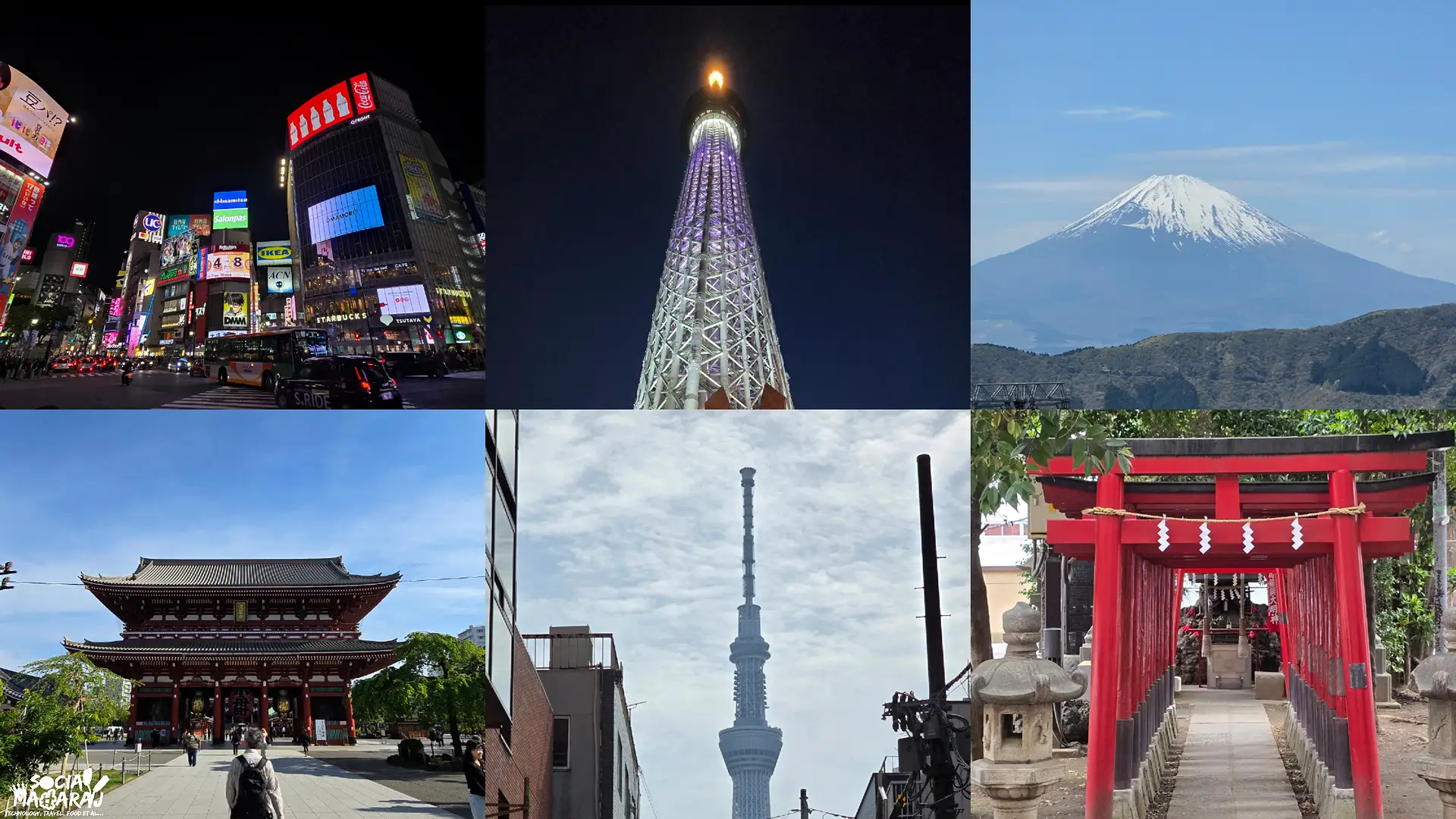
First stint in Tokyo covered Senso-ji Shrine in Asakusa, the kitchen street in Kappabashi (bought more than I planned to), Ueno Park, Tokyo National Museum and the Tokyo Skytree. I also walked around Shibuya and crossed the famous crossing, which is one of those things that sounds touristy but genuinely deserves to be seen.
On the return leg to Tokyo, I visited TeamLab Planets (book in advance, worth it), Ginza, Akihabara for electronics and merchandise shopping, the Imperial Palace grounds and Tokyo Station – which is beautiful in its own right.
Kyoto (3 Nights)
I took the Shinkansen bullet train from Tokyo to Kyoto. About 2 hours, incredibly smooth, and one of those travel experiences that lives up to the hype. More about this later.
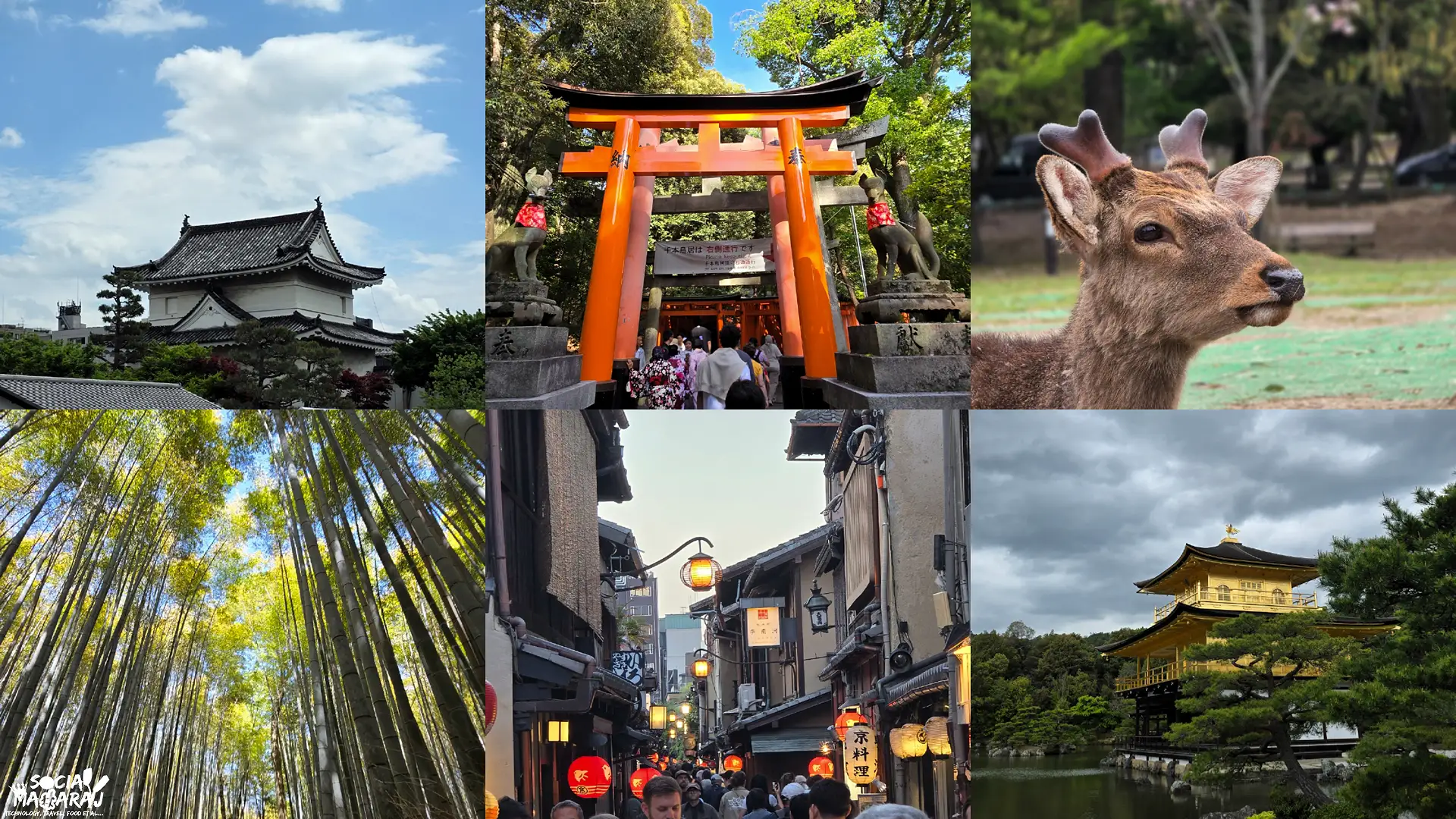
In Kyoto, the first day covered Nijo-jo Castle, Kinkaku-ji (the Golden Pavilion) and the markets nearby. The second day was a full day trip to Nara – deer, temples, more deer – along with Tenryuji Shrine, the Arashiyama Bamboo Forest and Fushimi Inari. Yes, that’s a lot for one day. Yes, your legs will tell you about it by evening.
Osaka (Day Trip from Kyoto)
Osaka is only about 45 minutes from Kyoto by train, so I did it as a day trip rather than staying there. In that one day, I covered Osaka Castle, the Kuromon Market, Dotonbori and just walked a lot of lanes. The riverside walk is pleasant – it’s not Chicago, but it has its own quiet charm.
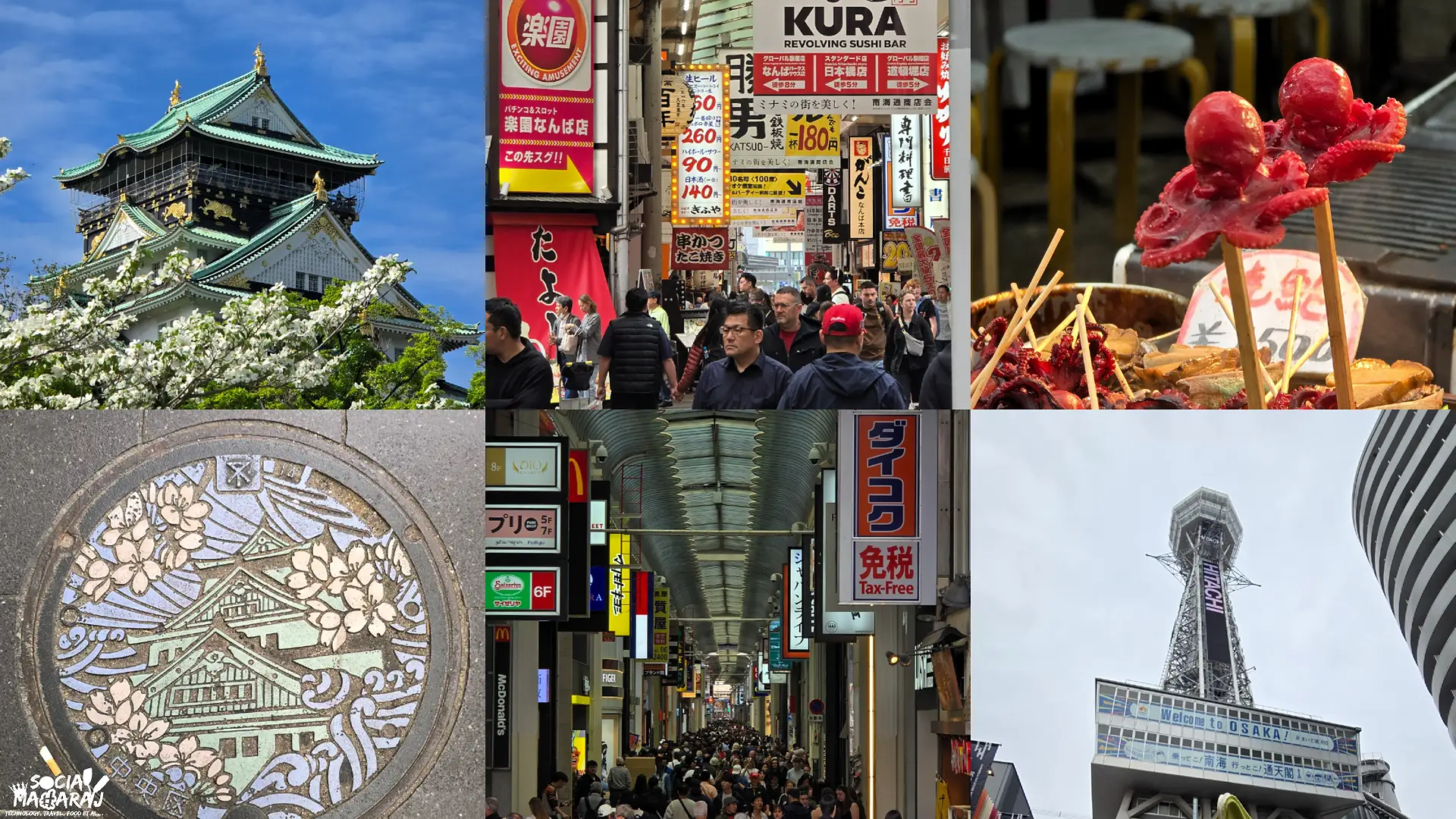
Honestly, I’m not sure I missed much by not staying in Osaka. I might be completely wrong – I’m sure there’s a lot more to the city – but the day trip felt like the right call for this trip. There’s always a next time.
Vegetarian Food in Japan: What I Actually Ate
This was my biggest anxiety before booking. Japan has a reputation for being a hard country for vegetarians, especially because fish-based stocks (dashi) show up in the most unexpected places, including things that look vegetarian on the surface. I packed protein bars, MTR ready-to-eat Poha packets and Wai Wai noodles as backup, and there were moments when those genuinely saved the evening.
That said, I survived. And not just survived – I had some genuinely great meals.
Restaurants
- Ts Tantan (Tokyo): Dedicated vegan ramen. My first ramen in Japan was here, and it was a great introduction. Solid.
- Engine Ramen (Kyoto and Osaka): Vegan ramen on the menu, delicious and well-priced.
- Moon Bar (Kyoto): Has a dedicated vegan ramen menu. Kyoto, in general, has more vegetarian-friendly options than you’d expect.
- Coco Ichibanya: A Japanese curry rice chain in Tokyo and Kyoto that has a fully plant-based curry option. You can load up on vegetables, and it comes with steaming hot rice. Weirdly close to desi food. I totally loved it and ate here more than once.
- Indian and Nepali restaurants are scattered across Tokyo and Kyoto if you want to go completely familiar on a bad day.
Convenience stores
7-Eleven, Lawson and FamilyMart are everywhere, and they do carry some vegetarian-friendly food – plain rice, onigiri, sandwiches, and matcha drinks. One important caveat: a lot of the rice dishes use fish-based stock in preparation. I skipped the onigiri after reading about this. If that’s a concern for you, do the same. Croissants, pastries, matcha lattes and packaged snacks across all three chains are generally safe and surprisingly good.
Pack from home
MTR ready-to-eat packets, protein bars and instant noodles. Not for every meal, but for the nights when it’s 9 PM, your feet hurt, and you can’t find a restaurant within walking distance that works for you. You’ll be grateful you brought them.
Final Verdict: Should You Visit Japan?
Yes. Absolutely, without hesitation.
Japan was worth every bit of the last-minute panic that went into planning it. The trains run on time to the minute, the cities are clean in an almost surreal way, the people are genuinely kind, and there’s something around every corner that makes you stop and just look.
For a vegetarian, it’s not effortless. I won’t pretend it is. But it’s manageable with some research, a willingness to try things you wouldn’t normally order and a bag of MTR packets as your backup plan. The ramen alone – once you find the right places – is worth the trip.
The Golden Route is classic for a reason. Tokyo has enough in it to keep you occupied for a week easily. Kyoto is everything you imagine it to be. And the Shinkansen between them is an experience on its own.
I’m already thinking about what a second Japan trip looks like. Slower, fewer cities, more time in each place. But that’s a future Maharaj problem.
If you are planning your first trip and have questions about the visa, the itinerary, or eating vegetarian, drop them in the comments, and I’ll do my best to help. You can also find my Japan trip archives across all the city stops on my Instagram highlights at @Atulmaharaj.