SocialMaharaj Technology, Travel, Food et al

Related Articles
Everyone I spoke to before my Japan trip said the same thing. “You’ll love Kyoto.” Every single person. And I’ll be honest – by the time the fifth or sixth person said it, I’d started to temper my expectations a little. That’s usually how it goes, right? The more something is hyped, the more it has to work to impress you. Well, Kyoto didn’t care about my scepticism. It sorted that out within the first few minutes of me walking its streets, and that’s exactly what this post is about – my Kyoto first impressions.
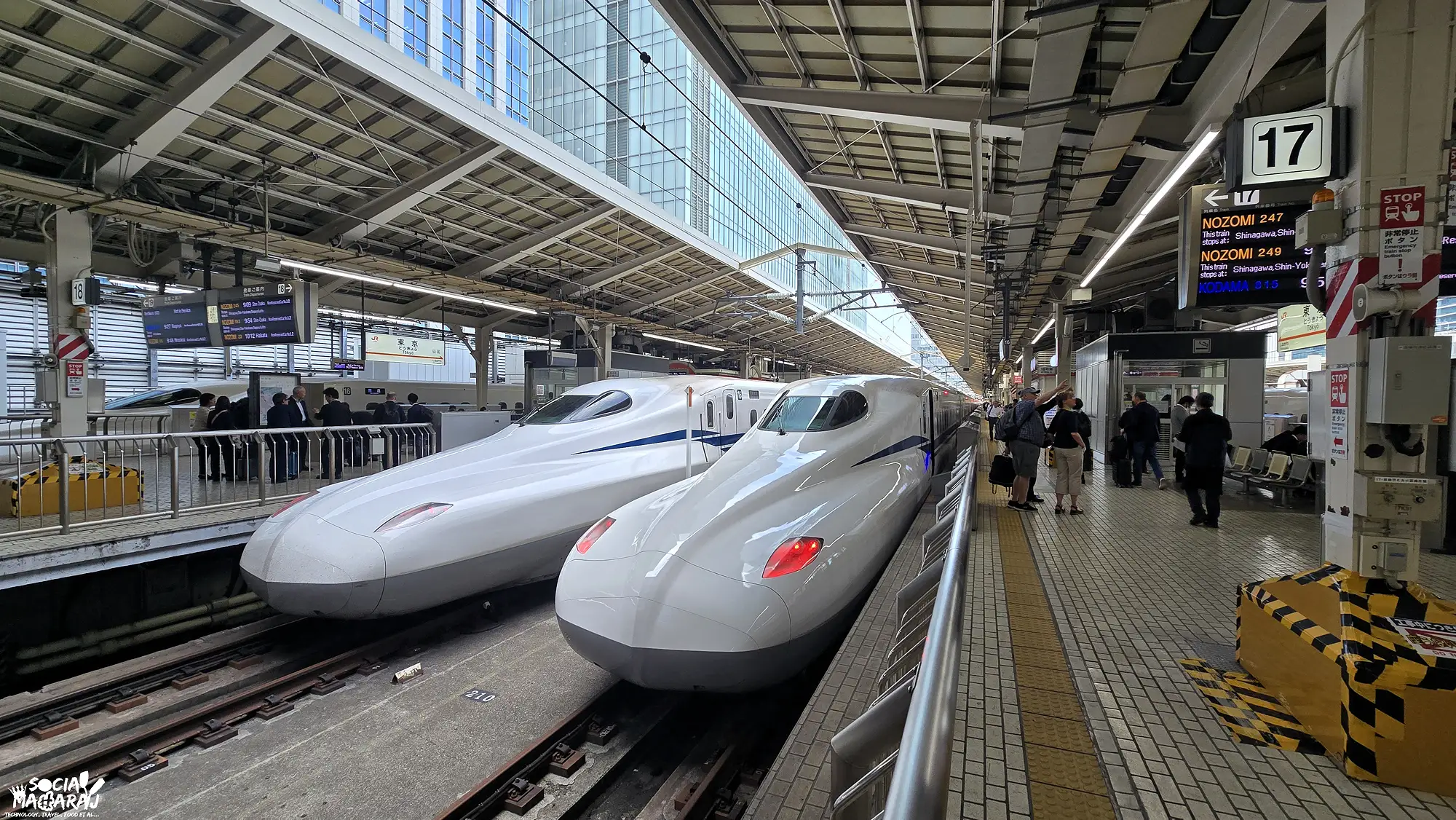
But let me back up a little. If you’ve read my Tokyo to Kyoto Shinkansen post, you already know how I got here, morning bullet train, two hours, surprisingly scenic the whole way through. If you haven’t, go read that one first for everything on booking tickets and the journey itself. This one picks up from the moment I arrived at Kyoto Station.
Arriving at Kyoto Station
Kyoto Station is massive. Multi-storey, busy, and a little disorienting if you’re arriving for the first time with a rolling suitcase and a vague sense of direction. Exiting wasn’t quite as seamless as I’d hoped — there are different exits depending on which train you’ve come off, and I had a couple of flights of stairs to navigate with my luggage. Not ideal, but manageable.
The saving grace, as it has been throughout Japan, was the Suica card. I tapped straight into the Kyoto Metro and headed to Marutamachi, which was a direct route from the station. The metro was packed — morning rush, I assume – but efficient. A few minutes later I was at my stop, one more flight of stairs to ground level, and suddenly I was out in Kyoto. Just like that.
Kyoto First Impressions: Nothing Like Tokyo
If you’re coming in from Tokyo or Osaka, prepare for a shift. Those cities are all glass towers, neon, and that particular brand of futuristic energy that makes you feel like you’ve stepped slightly into the future. Kyoto is none of that. No skyscrapers competing for the skyline, no concrete-jungle sprawl. Being Japan’s ancient capital, it carries itself differently – quieter, more deliberate, with history threaded into almost every street.
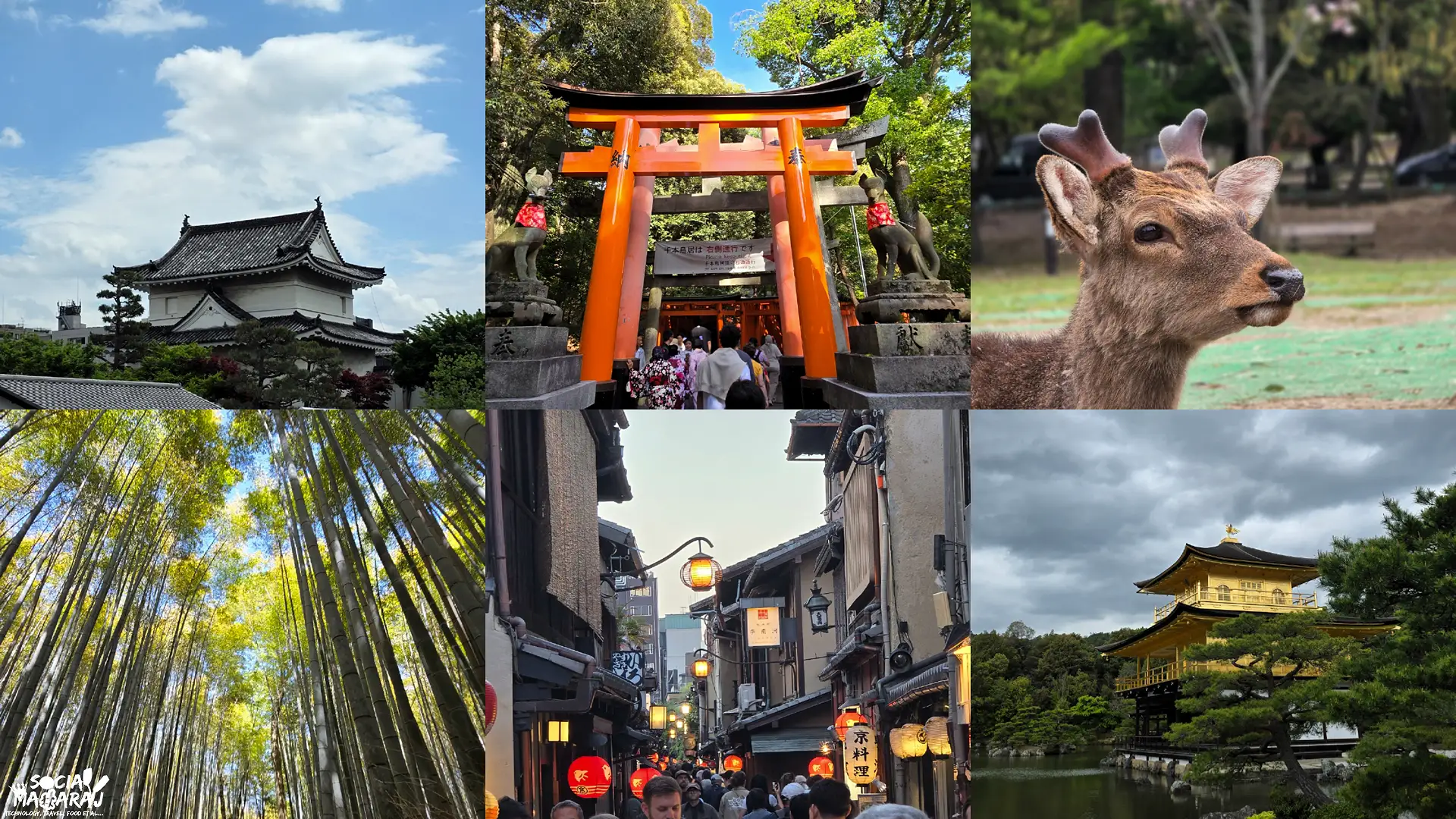
What struck me immediately was the contrast that exists at almost every corner. You’ll find the beautifully preserved Nijo Castle on one side of a street and a modern café serving a Long Black right across from it. Ancient and contemporary, sitting next to each other without any apparent tension. It’s a balance very few cities manage naturally.
The streets are planned in a way that’s obvious even on a map – a clean grid, wide footpaths, lots of greenery. If you’re visiting during Sakura season, cherry blossoms show up across the city in a way that makes the whole thing look almost unreasonably picturesque. I wasn’t there for Sakura, and I still thought it looked beautiful. That says something.
Getting Around Kyoto: Is Public Transport Actually Reliable?
Short answer: yes, genuinely. The combination of the Kyoto Metro and the bus network makes getting around very manageable, even if you arrive with zero idea of how it all works (I did).
I was sceptical before I arrived – Japanese metro systems look intimidating from the outside, all those coloured lines and station codes. Took me a couple of journeys to get a feel for it, and then it just clicked. The trains are frequent enough that missing one doesn’t hurt, and the buses fill in anything the metro doesn’t reach. Bus fare is a flat ¥210 regardless of distance, which is excellent value if you’re hopping between shrines and neighbourhoods. That flat fare covers a wide enough area of the city that you can really move around without worrying about the cost adding up.
I was staying near Nijo Castle – a little further from the central station area, but well connected. The Suica card handled everything, metros and buses both. If you haven’t sorted one before arriving in Kyoto, do that before you leave Tokyo.
Shrines, Streets, and the Gion Golden Hour
Kyoto has shrines the way other cities have cafés – everywhere, and almost all of them worth your time. I visited both the Kinkaku-ji (the Golden Pavilion) and the Yasaka Shrine in Gion, and they couldn’t be more different in feel. Kinkaku-ji is the iconic, show-stopping kind of beautiful – the kind you’ve seen in photographs and still feel the need to just stand in front of quietly. Yasaka is more neighbourhood, more lived-in.
But honestly? The thing I keep going back to in my head is the walk through Gion at golden hour. The sun dropping in front of you, the shrine behind, the shopping street stretching out – it’s one of those moments that’s hard to oversell because it genuinely earns the description. Don’t rush through Gion. Go at sunset, walk slowly, do not skip it.
A short walk further gets you to Nishiki Market, which is a bustling, popular strip known especially for food. The honest caveat here as a vegetarian: it skews heavily towards seafood and meat, and I won’t pretend otherwise. But it’s still worth walking through for the atmosphere, and vegetarian options do exist if you look.
What About Vegetarian Food in Kyoto?
This is the question I always have at the back of my mind in any new city, and Kyoto held up reasonably well. My first ever bowl of ramen happened here – at Engine Ramen, near the Nishiki area – and it was so much better than I expected for a first attempt. Full post on that coming separately because it deserves its own space. But the short version: if you’ve been putting off trying ramen because you’re vegetarian and unsure, Engine Ramen is a solid place to start.
Kyoto’s food scene is broader than just the market strip, and the city has a long tradition of shojin ryori – Buddhist temple cuisine that is inherently plant-based. Worth exploring if you have time.
Should You Visit Kyoto?
I spent three days here. I wish it had been more. And I say that as someone who went in with deliberately managed expectations, knowing I’d been told to love it by basically everyone I respect who’s been to Japan.
If you care about history, architecture, culture – the kind of travel where you want to feel like a place has a story rather than just a skyline – Kyoto will deliver. It delivered for me within the first half hour of arriving, and it kept delivering for three days. I’ll be back. That’s not something I say about every place.
Who Should Visit
- Anyone who loves history, temples, and a city that wears its past openly
- Travellers who want a gentler pace after Tokyo or Osaka
- First-time Japan visitors – Kyoto is essential, not optional
- Vegetarians – more manageable than you might expect, especially with some research
Who Might Struggle
- Travellers who need the energy and 24/7 pace of Tokyo – Kyoto is quieter, intentionally so
- Anyone with mobility limitations – stairs are a recurring theme at stations and sites
- Those visiting only for a day – three days felt short; one day will feel rushed
More posts on Kyoto are coming – where I stayed, a proper itinerary, and that Engine Ramen deep-dive. That’s a future Maharaj problem. For now, if you have questions about arriving in Kyoto or anything I’ve mentioned here, drop them in the comments, find me on Instagram @Atulmaharaj or get in touch – always happy to help plan a trip.