SocialMaharaj Technology, Travel, Food et al
Related Articles

The moment I saw the signboard for Lepakshi on the highway while driving from Hyderabad to Bangalore, I made a mental note: “We’ll visit this place on the way back.” It wasn’t just any random flag on the map – Lepakshi had been on my radar for a while. I had read snippets about its rich history and stunning temple architecture, especially the Veerabhadra Temple. So when we finally started our return journey, a quick detour to Lepakshi felt like the perfect pit stop – a chance to soak in some culture and history before hitting the road again.
Here’s what you need to know about Lepakshi, the must-see spots, and a detailed look at the Veerabhadra Temple – its fascinating history, architectural marvels, and some personal reflections on the visit. If you’re a history buff or an architecture enthusiast, this post will be right up your alley.
Lepakshi: A Town Rooted in History and Mythology
Lepakshi is a small, charming town located in the Anantapur district of Andhra Pradesh, approximately 120 km from Bangalore and about 45 km from Anantapur. Nestled amid rocky hills and characterized by its distinctive red soil terrain, Lepakshi offers a rugged, rustic landscape that feels like stepping back in time. The town’s population is modest, maintaining a quiet, almost timeless vibe that contrasts with the hustle of nearby urban centers.
Historically, Lepakshi is best known for its deep connection to the Vijayanagar Empire, which flourished in South India between the 14th and 17th centuries. This empire was a center for flourishing art, culture, and religion, and became a cultural hub. The grandeur of the Vijayanagar period is still evident in the temple complexes and sculptures that adorn the town.
On the mythological front, Lepakshi holds a special place in the epic Ramayana. According to legend, it is the site where Jatayu, the divine eagle who valiantly fought Ravana to save Sita, fell after being mortally wounded. The name ‘Lepakshi’ itself derives from the Telugu words ‘Le Pakshi’, meaning ‘Rise, Bird’. It is believed that Lord Rama instructed Jatayu to rise here, symbolizing hope, valor, and courage. This mythological connection adds a spiritual aura that perfectly complements Lepakshi’s historical significance.
Things to Do and Places to Visit in Lepakshi
While Lepakshi is primarily famous for the Veerabhadra Temple, there are several other fascinating spots and activities to explore if time allows:
- Veerabhadra Temple: The centerpiece of Lepakshi, renowned for its intricate carvings, frescoes, and architectural brilliance.
- Hanging Pillar: A unique architectural marvel inside the Veerabhadra Temple where a pillar mysteriously stands unsupported by the floor.
- Jatayu Theme Park: The first thing that you’ll notice while entering Lepakshi was this Jatayu structure. It is located in the Jatayu theme park. We skipped it, since we had less time and it didn’t feel like it had any historic connection, I mean the statue and the place itself felt touristy.
- Nandi Bull Statue: One of the largest monolithic Nandi statues in India, located just outside the temple premises.
- Lepakshi Museum: A quaint museum showcasing artifacts, sculptures, and historical information about the region and its cultural heritage.
- Virabhadra Statue: A massive statue dedicated to the fierce warrior Virabhadra, an avatar of Lord Shiva, situated near the temple.
- Akhanda Ramayana Painting: A massive mural on the temple ceiling depicting the entire Ramayana story in vivid detail and vibrant colors.
- Local Handicrafts: The town is also known for its traditional handloom textiles and paintings, making it a good spot for picking up authentic local crafts.
Since we had to keep our drive back to Hyderabad on schedule, we decided to focus solely on the Veerabhadra Temple. Given the depth and detail the temple offers, this was a wise choice- it’s definitely not a quick walkthrough.
Veerabhadra Temple: History and Mythology
The Story Behind the Temple
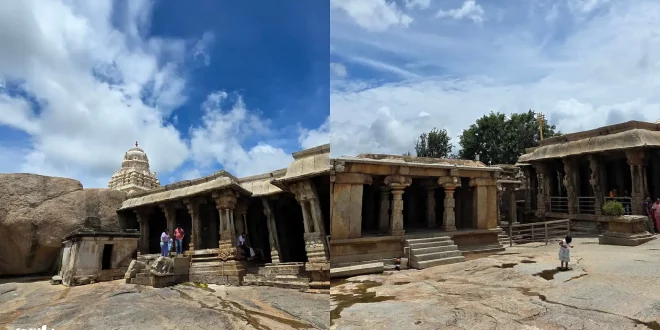
The Veerabhadra Temple is a stunning example of Vijayanagara architecture, believed to have been built in the 16th century during the apex of the Vijayanagar Empire. This empire, centered in present-day Karnataka, was one of the most powerful and culturally rich South Indian dynasties. The empire’s capital, Hampi, lies just a few hundred kilometers away, and the architectural style of the Lepakshi temple shares many striking similarities with the monuments found there.
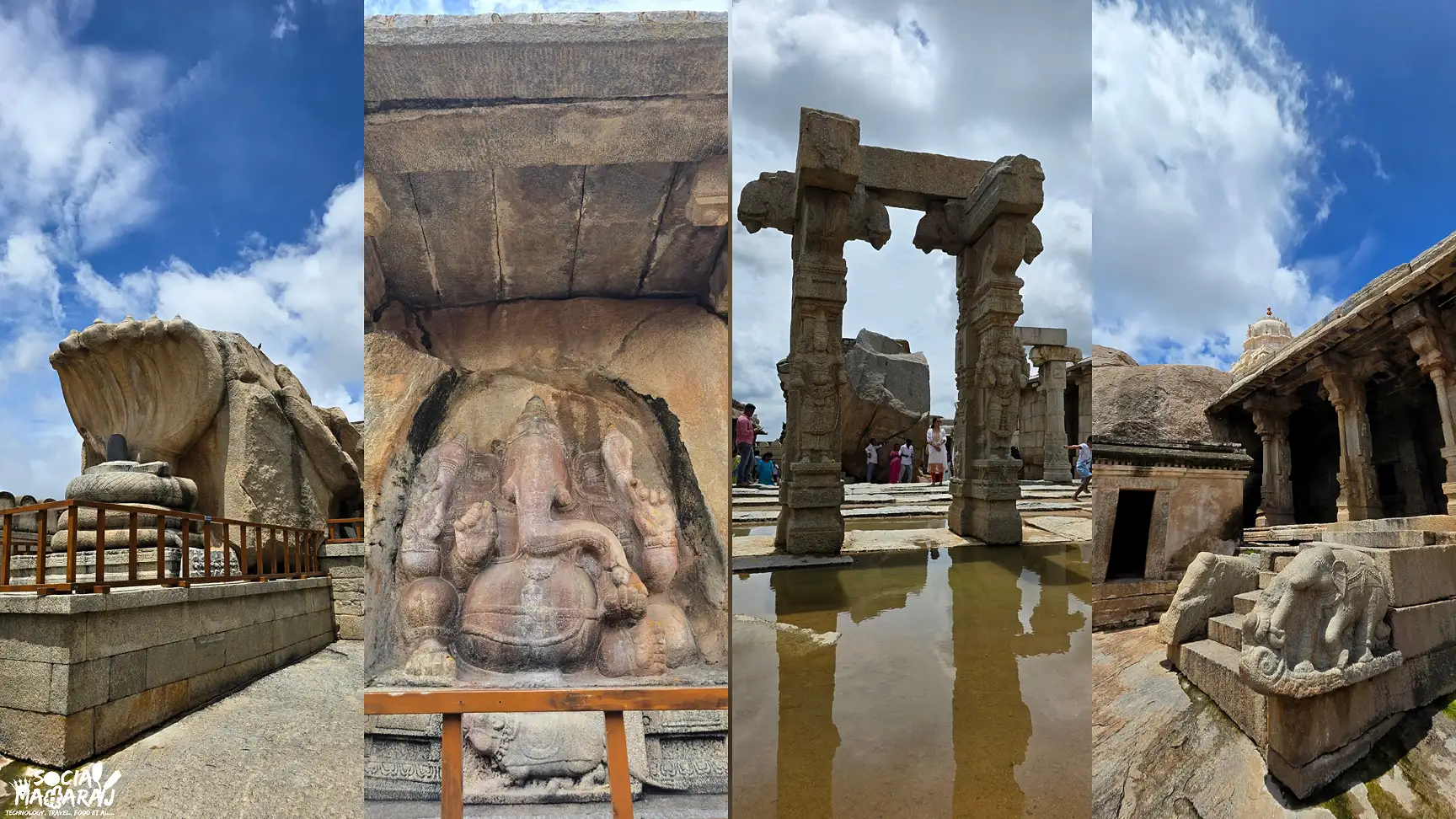
Mythologically, the temple is dedicated to Veerabhadra, a fierce form of Lord Shiva created from Shiva’s wrath to destroy Daksha’s yajna (sacrificial ritual) after Daksha insulted Shiva’s consort, Sati. The temple commemorates this divine intervention and is a significant pilgrimage site for devotees of Shiva.
Historically, the temple was commissioned by Virupanna Nayaka and his brother Viranna, who were prominent chieftains under the Vijayanagar rulers. Their vision was to create a temple complex that not only served religious purposes but also showcased the empire’s artistic and cultural grandeur. Temples like Veerabhadra were used as centers of worship, art galleries, and cultural hubs, reflecting the Vijayanagar Empire’s sophisticated approach to architecture and religion.
Architectural Marvels That Speak Volumes
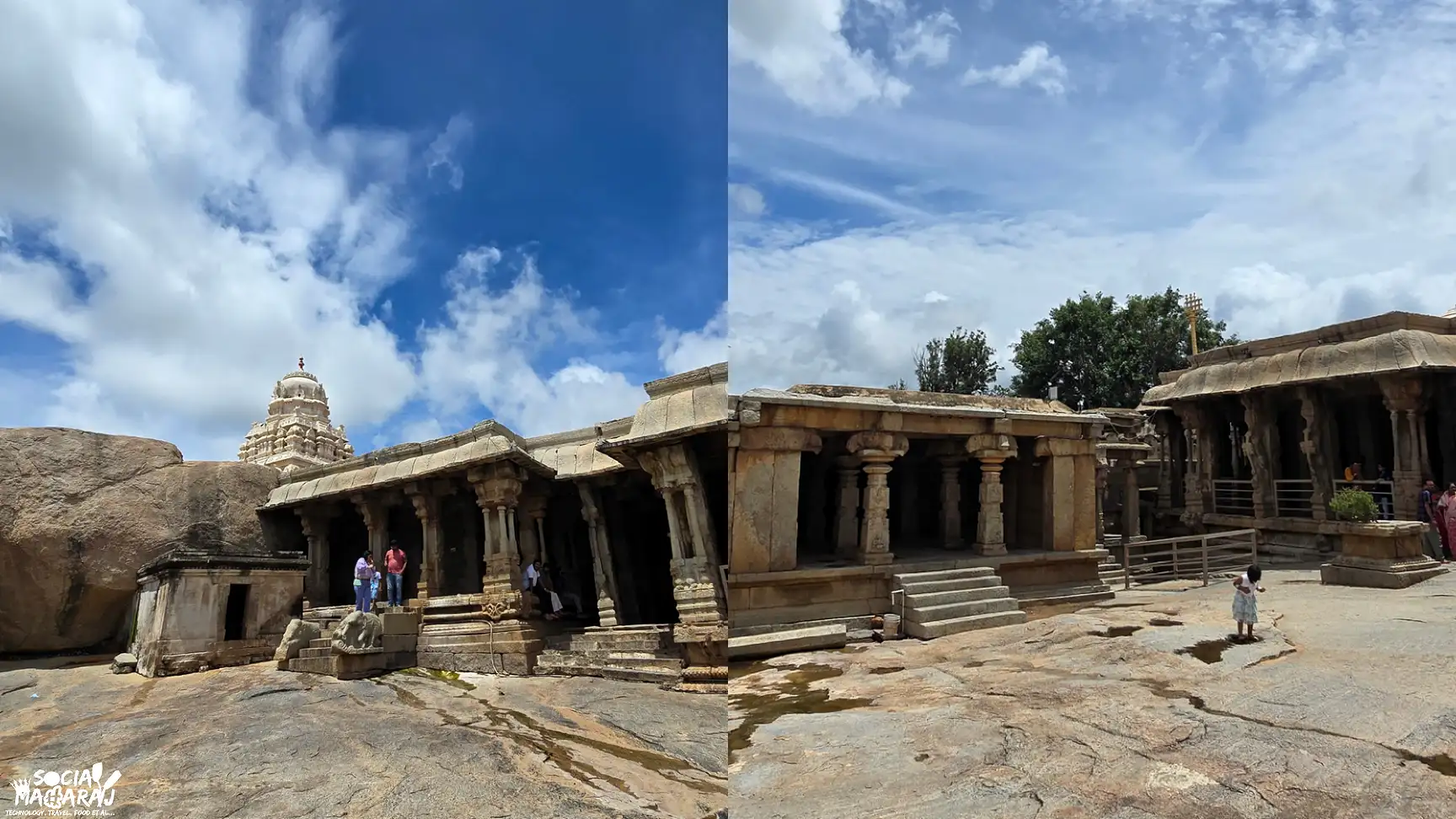
Stepping into the Veerabhadra Temple, you are immediately struck by the intricacy and scale of the stone carvings and the vast pillared halls. The temple boasts over 70 exquisitely carved pillars, each hewn from single blocks of granite. These pillars depict a wide range of scenes – from Hindu mythology and celestial beings to royal court life and everyday activities of the era.
One of the most famous features of the temple is the hanging pillar – a pillar that remarkably does not touch the ground yet supports the ceiling above. This architectural marvel is a testament to the ingenuity and craftsmanship of the Vijayanagar artisans.
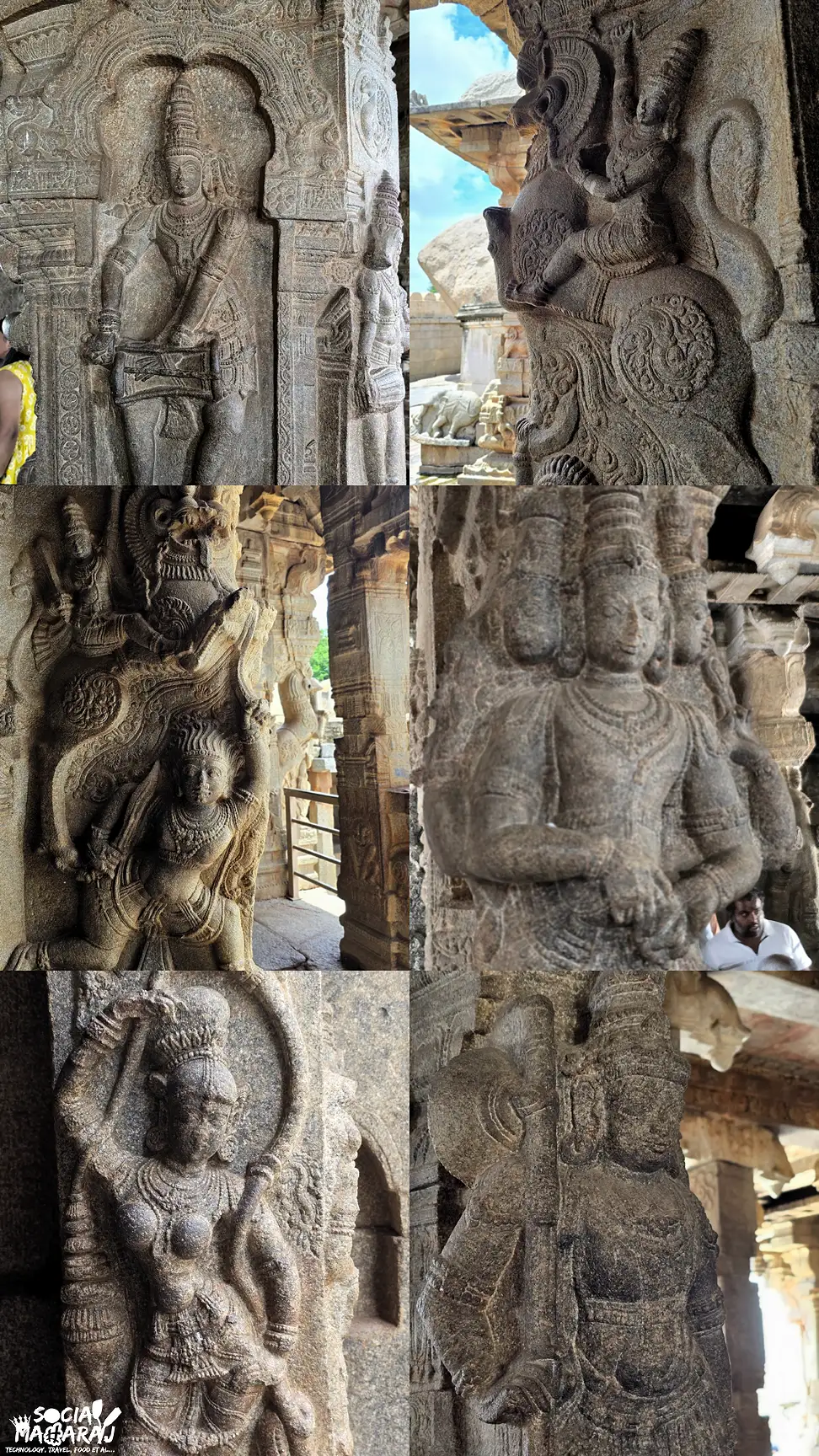
The temple ceilings are adorned with vibrant frescoes and paintings that narrate stories from the Ramayana and Mahabharata. Though the colors have faded over centuries, the brilliance and detail remain visible. These paintings depict gods, goddesses, and celestial beings, each brushstroke revealing the artistic mastery of the Vijayanagar period.
The overall layout and style of the Veerabhadra Temple bear a close resemblance to the famous temples of Hampi, such as the Vittala Temple and Virupaksha Temple. The use of open courtyards, pillared mandapas (halls), and towering gopurams (gateway towers) reflect the characteristic architectural language of the Vijayanagar Empire.
The Missing Guide: A Small Letdown
I had hoped to hire a tour guide to uncover the many layers of history, symbolism, and artistry embedded in the temple. Unfortunately, there was no official guide service available at the site. There was one gentleman who acted as an informal guide, sharing insights with visitors, but he spoke only Telugu.
This felt like a missed opportunity. Lepakshi, with its rich heritage and architectural wonders, deserves better tourist infrastructure. Official multilingual guides or at least audio guides would dramatically enhance the visitor experience. For anyone planning a trip, I’d recommend preparing ahead with some research or hiring a private guide who knows the temple and speaks your language.
A Detour Worth It
Taking that detour to Lepakshi on the way back to Hyderabad was a refreshing break from the long highway drive. The Veerabhadra Temple, though relatively younger compared to some ancient temples I’ve visited, holds its own unique charm and grandeur. The artistry, the stories etched in stone and paint, and the historical aura transport you back to the Vijayanagar era.
If you’re driving this route between Bangalore and Hyderabad – or anywhere nearby – and you have an interest in history or architecture, I highly recommend making time for Lepakshi. It’s a manageable detour that rewards you with a glimpse into South India’s glorious past.
Of course, if time is limited, focusing solely on the Veerabhadra Temple, as I did, is perfectly fine. Just keep in mind the lack of official guides and plan accordingly.
If you have any questions or suggestions, feel free to leave a comment below. You can also weet to me at @Atulmaharaj, DM on Instagram, or Get In Touch.