SocialMaharaj Technology, Travel, Food et al
Related Articles

I’ve never been to a gym, and the thought of working out amongst a group in a place that’s crowded and filled with sweaty machines, it just didn’t appeal to me. But I love tech, the kind of tech that can make life easier, more fun, and even healthier. I made a ₹50,000 bet on myself and invested in Meta Quest 3 fitness, and it’s been the most consistent I’ve ever been with workouts in my life
Working from home means my daily movement has all but vanished. Stuck at a desk, I struggled to stay active, and the usual options like gym, parks or group sessions were either not close to where I stay or uninspiring.
Then last year, during a visit to a VR gaming centre in Hyderabad, I tried a 30-minute VR game that had me sweating buckets. We played Far Cry (a game that I played a lot on my PC decades ago), and I totally loved the thrill of it. It hit me: what if I could use VR not just for gaming, but for fitness? The idea of gamified workouts, done conveniently at home, sounded too good to ignore.
Fast forward six months later, and I’m here to share what this journey has looked like – the ups and downs, the tech, the sweat, and the actual results. If you’re curious about whether VR fitness is just a gimmick or a genuine workout solution, especially from an Indian perspective, stick around.
In this blog post, I’ll take you through my personal transformation using the Meta Quest 3, setting up the perfect VR fitness corner in my apartment, the workouts I swear by, and everything I learned along the way.
Ready to dive into my VR fitness journey? Let’s go.
My Fitness Background: Why I Needed Something Different
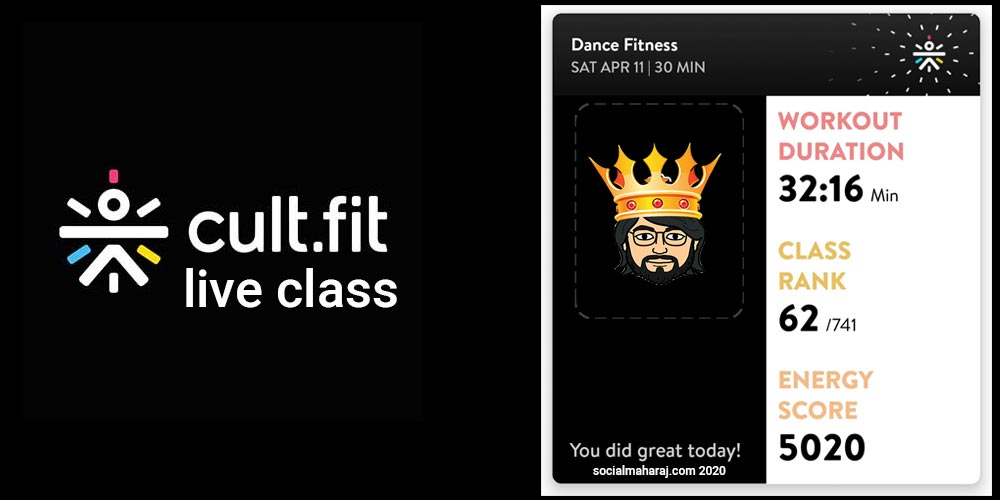
I’ve always been an on-and-off fitness guy, but lockdown changed that for me. Like many in India, I tried to stay active during the pandemic, and I found myself hooked on Cult Fit’s dance fitness classes. You can check out my full lockdown weight loss story here, but to summarise: those online dance workouts helped me shed some kilos and get moving when everything was shut. The problem? After a few months, the novelty wore off. The songs repeated, the routines felt like déjà vu, and motivation tanked.
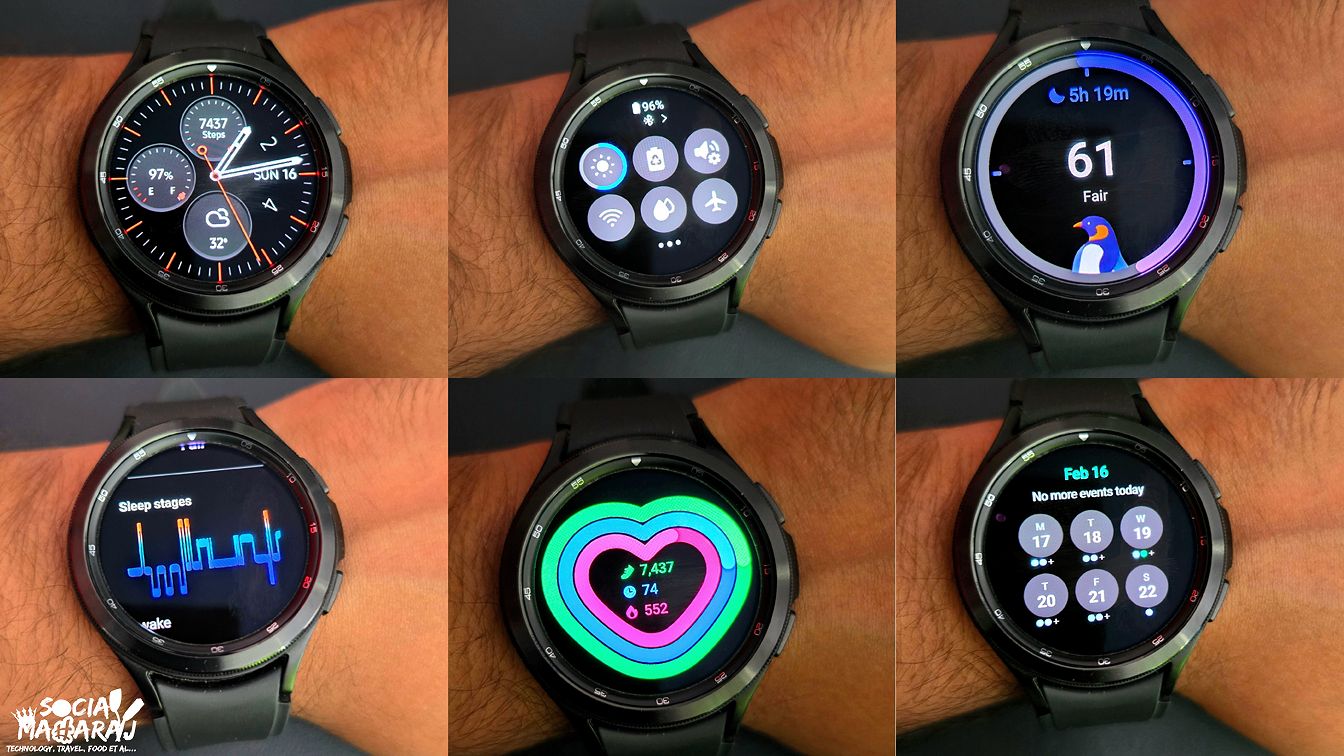
I had also been using fitness bands since COVID, but I bought the Galaxy Watch 4 (you can read my detailed review here) to better track my activity and heart rate last year. The watch was a great companion: seeing my stats helped keep me accountable. But I still craved variety and a bit of fun. Cult Fit classes felt repetitive, there was no gym nearby, and frankly, I wasn’t motivated to join one.
Traditional gyms just don’t fit my lifestyle, I guess. That’s why VR fitness piqued my interest – the gamification angle, the promise of immersive workouts, and the sheer convenience of exercising at home.
Plus, that sweaty VR gaming session in Hyderabad last year was proof that it could actually work. It combined my love for tech with the need for fitness in a way that felt fresh and exciting. That’s when I knew I had to explore VR fitness seriously.
Why Meta Quest 3? (And Buying It from the US)
When I started researching VR headsets for fitness, the Meta Quest 3 stood out immediately. It’s a standalone headset, which means no wires, no PC tethering – just slip it on and go. This freedom is essential for workouts like boxing or cricket swings, where movement matters. Also, Meta Quest 3 supports the best fitness apps, especially FitXR, which was highly recommended by the VR fitness community.
There was also Meta Quest 3S which is the “lite” version of the MetaQuest 3. While most folks will not notice any difference (including me): there’s significant upgrade in the lenses, passthrough features as well as the overall boundary scanning and management. Plus since I was anyways looking to buy one, I though of getting the best of the best. In terms of pricing, I guess the Quest 3s could be around $100-120 cheaper than Quest 3.
The challenge? Meta Quest 3 isn’t officially available in India. Though you’ll find it on Amazon or other sites, they are official.
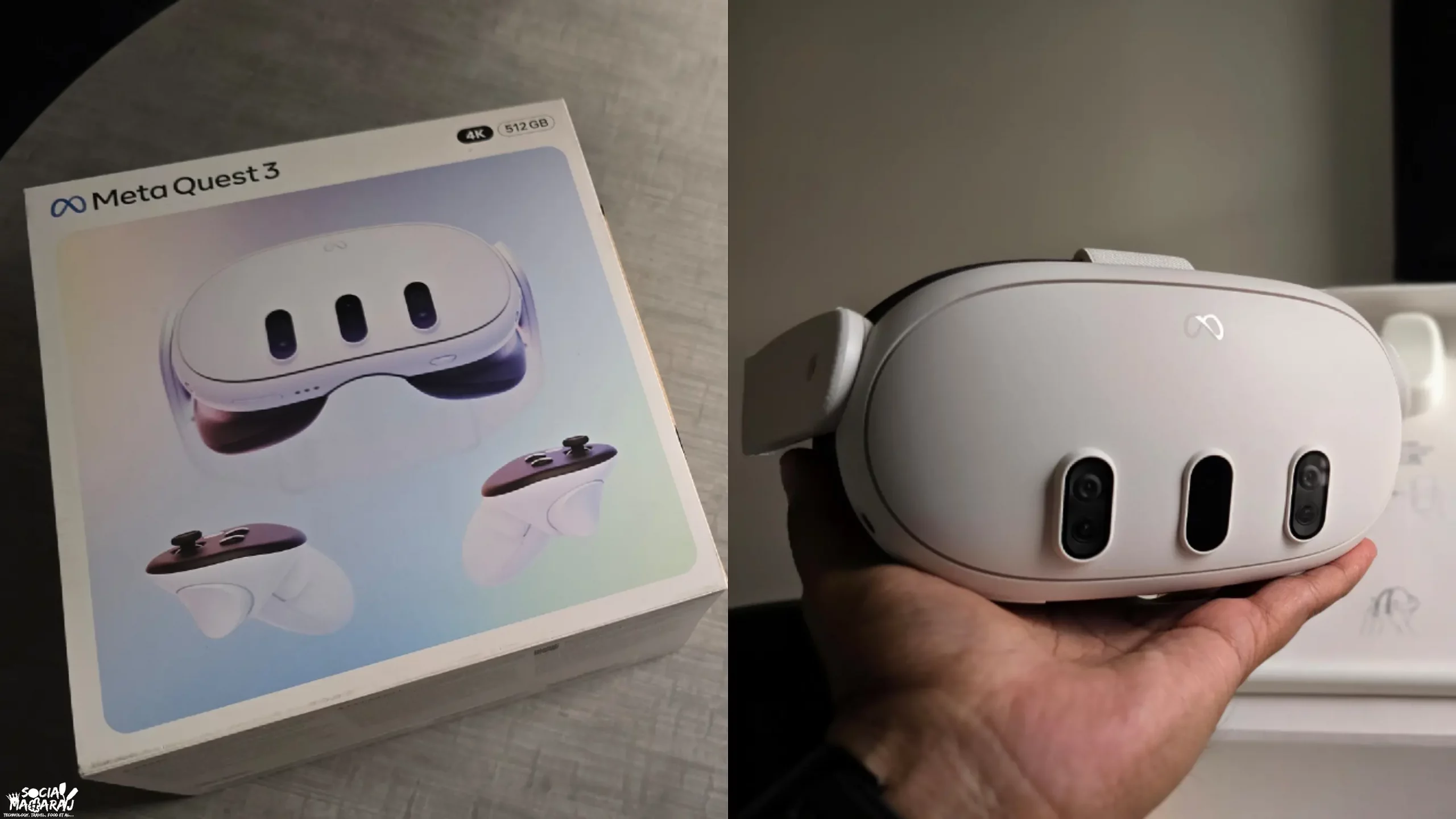
So, when I was in the Las Vegas, USA last year in September, I headed to the Best Buy store and got one. I had earlier brought my Samsung Galaxy S24 Ultra from Best Buy as well. The total cost came to about $520 for the Meta Quest 3, which translated roughly to ₹50,000 at the time. Adding accessories like the VR Rock custom lenses, protective case, and controller grips pushed the total investment to around ₹58,000.
I won’t lie but I hesitated. ₹50k is a decent chunk of money. Would it become a dust collector after a few weeks? But I reasoned that even if I didn’t stick to the fitness routine, I’d still have a top-notch gaming device. Worst-case scenario, I would at least get my money’s worth in entertainment.
That mindset helped me commit to the journey, and honestly, it turned out to be one of the best tech investments I’ve made for my health and lifestyle.
Setting Up My Meta Quest 3 Fitness Station
Unboxing & First Impressions
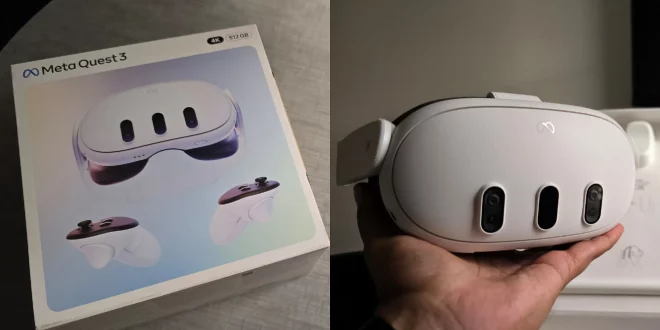
Opening the Meta Quest 3 box was like unwrapping a futuristic gadget. The headset felt light but sturdy, with comfortable padding. Setting it up was surprisingly straightforward: just follow the Meta app prompts on your phone, connect to Wi-Fi, create a Meta account, and calibrate your play area. The entire setup took about 30 minutes, including software updates.
What’s in the box Meta Quest 3
The box is pretty sturdy and the items in the box are the expected ones with no surprised. Inside the Meta Quest 3 box you get:
- Meta Quest 3 headset: the main thing!
- Controllers: Left and Right controllers with batteries included
- Stock Face pad: the stock face pad is included, it’s a mesh one and not silicone
- Charger and cable: yes the are giving a charger, I guess its an 18W one
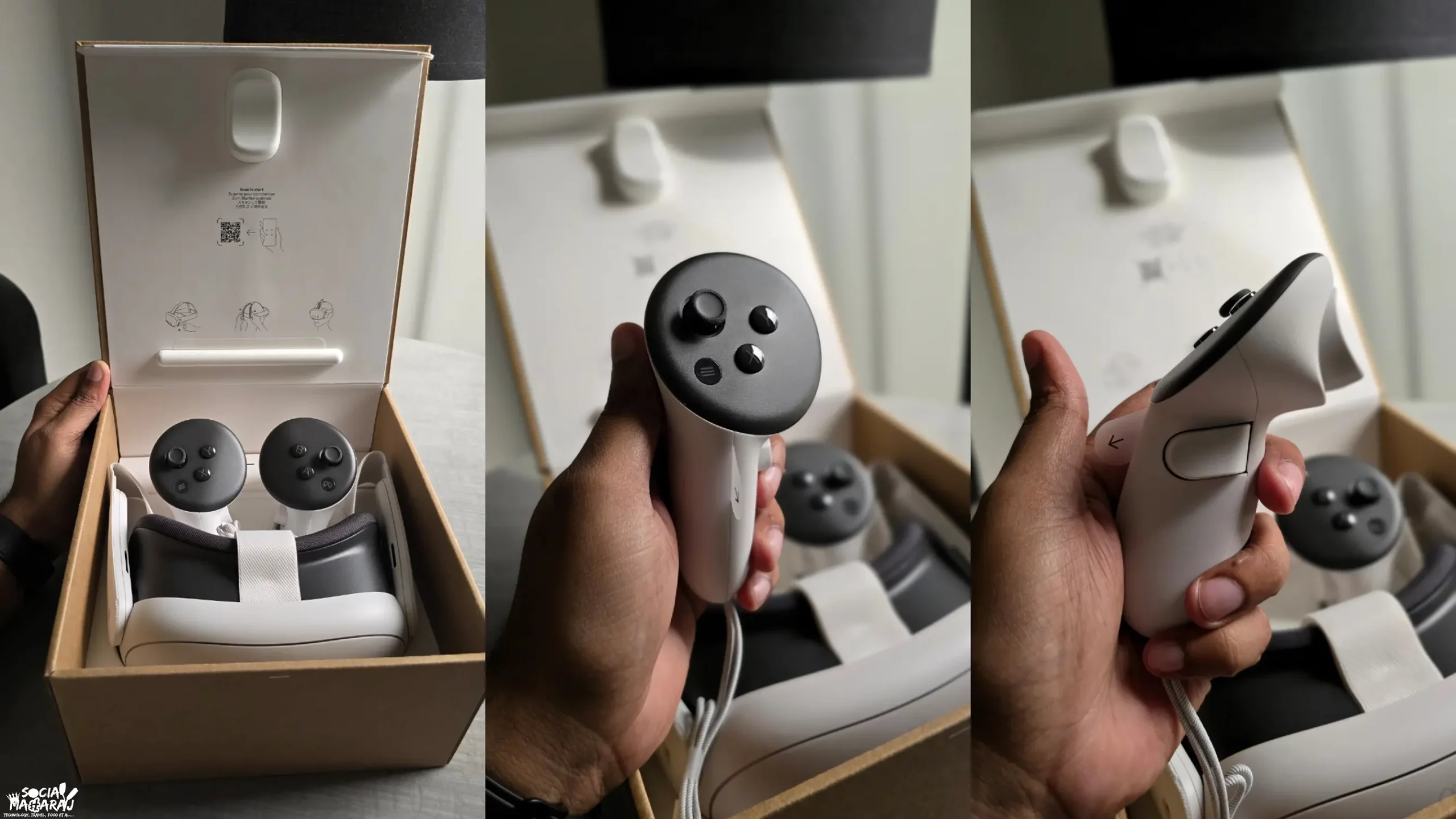
However, there were a few accessories that I had to purchase not only for my satisfaction but also to protect the headset, my surroundings as well as improve the experience.
I remember, after setting up the headset I was try a shooting game in my hotel room. The ammo was over and I had zombies approaching me, in haste, I tried to throw the gun but in reality I threw the controller on the room wall.hat’s when I realised how badly I need the grips. However, these accessories are very expensive in the US, hence I ordered it online in India and got them delivered home.
Meta Quest 3 Accessories That Made a Huge Difference
VR Rock Custom Prescription Lenses (Game-Changer)
This deserves the most attention. I wear spectacles, and wearing glasses inside a VR headset is a pain. It’s uncomfortable, causes fogging, and can even scratches your lenses which might ruin your headset for life. I knew I couldn’t work out comfortably for 30+ minutes wearing glasses inside the headset.
After going through reviews and reddit threads, I came across VR Rock lenses which are custom prescription lenses that fit inside the Meta Quest 3, replacing the need for spectacles. Ordering was simple: I sent them my prescription, and about three weeks later, I received the lenses. I ordered the magnetic ones which ensures it’s easily removable and if anyone else is playing, I simply remove the lenses and let them play.
Installation was easy, you just snap them into the headset. The moment I put on the headset after installing VR Rock lenses was a game-changer: no glasses, crystal clear vision, no fogging, and much more comfortable.
Cost-wise, it was about ₹5,000 (~$60) which might seem steep, but considering the comfort and enhanced experience, it’s absolutely worth it. I can’t recommend these enough if you wear glasses and want to use VR regularly.
Carry Case
I remember, when I had purchased my first iPad mini a decade ago. I was looking for cheap cases and one of the shopkeepers was like “Sir you’ve brought a 25k device, can’t you spare 2k for a case”. Also there have been instances where I’ve dropped my ipad, phones (not too often, but it happens) and that’s when I realised the need for a case. So I got one from Amazon which costed me around ₹1200.
Protective Case + Lens Protectors
Apart from the carry case, I also got a protective case for the headset along with lense protectors. It’s a clear plastic case that covers the headset and the lens protectors can be put on the lenses. To avoid scratches on the delicate lenses, I bought lens protectors for about ₹800. These are thin, clear films that adhere to the lenses and protect against accidental scratches. Since I sweat a lot during workouts, I didn’t want to risk damage.
Controller Grips
After having thrown the controller on the wall in my hotel in the US, I didn’t want to risk breaking it. So the grips were necessary. So got a pair Meta Quest 3 grips from Amazon for around ₹800. These are made from silicone and cover the entire controller. They also come with hand straps that make it easy told and avoid being thrown.
What I Didn’t Buy: The Elite Strap
Many reviewers rave about the Elite Strap like the BoboVR S3(pro) for extra comfort and better weight distribution and extra batter pack. I initially skipped this because of the additional ₹10,000 cost and wanted to try the stock strap first. I haven’t found the stock strap uncomfortable for my sessions yet, but this might be something I consider down the line.
Space Setup in My Indian Apartment
Space is always a constraint in Indian apartments, unless you have a huge house or a dediacted gaming room/hall. I cleared a corner in my room measuring roughly 6×3 feet. This space is enough for me to stand, throw punches, and swing a cricket bat without hitting furniture or walls. PS:I still cannot play a hook/pull shot as I’ll hit a wall.
So yes, VR fitness works even in modest Indian apartment sizes. You don’t need a huge room, but clearing some space is essential for safety and effective workouts.
My Daily Meta Quest 3 Fitness Routine: What I Actually Do
FitXR Boxing: My Main Workout
FitXR is where most of my sweat sessions happen. I chose FitXR over other apps like Supernatural mainly because of its boxing and combat workouts, which suit my style and fitness goals better. FitXR offers a subscription at about ₹1,100 per month in India, which felt justified to me. There was a 7 day trial and I totally loved it. Yes you can save more by purchasing the 1 year subscription or trying other free apps.
A typical session lasts 20 to 25 minutes, primarily boxing or combat classes. These workouts are intense and have me drenched in sweat by the end. What I love about FitXR is the gamification – the live leaderboard pushes me to keep up with others, and the music playlists are motivating. The variety in classes means I rarely get bored.
In terms of calorie burn, I average about 250-300 calories per 25-minute session, tracked via my Galaxy Watch 4, which keeps my heart rate mostly in the aerobic zone (120 to 160 bpm). The time flies, which is a big plus since I’m not usually a fan of lengthy workouts.
IBCricket: My Fun Cardio Alternative
For cardio with a twist, I play IBCricket daily. It’s a VR cricket game that offers a fun way to get your heart going. Each 20-over match takes about 30 minutes, and the different game modes keep it fresh. It’s less structured than FitXR but equally effective for cardio.
Calorie burn here is roughly 300 calories per 30-minute match. I usually play this in the evening after work, as a fun cooldown before dinner.
Other Apps I’ve Briefly Tried
I also dabbled with other VR games like Aagard’s Wrath, The Climb, Table Tennis, Synth Raiders, and Pistol Whip. These are more for fun and variety, but don’t form part of my regular fitness routine.
Building the Habit
I started small with just 10 minutes daily, right after my morning walk. Consistency was key. I made it a habit to work out at the same time every day and tracked my sessions with the Galaxy Watch 4, which helped me celebrate streaks and progress.
Here’s a rough weekly schedule:
- Monday to Friday Morning: FitXR boxing sessions (20 to 25 mins)
- Daily Evening: IBCricket matches (30 to 45 mins)
The Results: What Changed After 6 Months
Physical Changes
Since starting this VR fitness journey, I’ve lost about 5 kgs. Worth mentioning, this wasn’t just VR workouts; I also controlled my diet and maintained daily steps. But VR workouts played a huge role in increasing my activity level.
Fitness-wise, I can sustain longer sessions now and have better stamina. My energy levels throughout the day have improved, and I feel less sluggish during work. Sleep quality has also seen a notable boost, most likely due to regular activity and stress relief.
Mental Benefits
The mental benefits surprised me. VR fitness is fun, which means it doesn’t feel like a chore. I experience less stress and better focus during work hours. The gaming element keeps me motivated and consistent, which is often the hardest part of any fitness routine.
Consistency Is Key
I’ve played almost daily, FitXR in the mornings and IBCricket in the evenings. Unlike Cult Fit, which got boring, VR fitness never felt monotonous. The variety, competition, and immersive environment kept me hooked.
Honest Limitations
- Space limitations: Some games require more physical space than I have.
- Better for cardio than strength: VR fitness is fantastic for cardio and endurance, but less so for muscle building.
- Needs supplementation: For comprehensive fitness, I’d recommend adding strength training or yoga outside VR.
Final Thoughts: Would I Recommend It?
Short Answer: Yes, Totally!
If you’re a tech geek, fitness enthusiast, or just someone who hates gyms but wants to stay fit at home, the Meta Quest 3 VR fitness setup is fantastic. It’s perfect for those with some home space and who can invest ₹50k+.
Who Should Skip?
- Serious bodybuilders looking for heavy lifting won’t find VR fitness enough.
- Limited space (less than 6×6 ft) makes some games unsafe.
- Tight budget folks should consider cheaper options first.
- If you love the social gym scene, VR can’t fully replace that.
What Exceeded Expectations?
- Consistency achieved, the gamification really works.
- How genuinely fun the workouts are.
- Real fitness result: calories burned, weight loss, and stamina.
- The seamless combo of gaming and fitness.
What Didn’t Meet Expectations?
- Battery life is about 2 hours, limiting longer sessions, but one charge per day works well for my routine.
- The stock strap is fine for me, though others might prefer the Elite Strap.
- The default mesh face pad isn’t great, it gets wet.
- Since I sweat the lot, some of it also gets on the VR Rock lenses, so I have to clean them everytime I put on the headset
Bottom Line
This has been a game-changer for me, the most consistent 6 months of working out in years. If you’re curious about VR fitness or struggling to stay active at home, the Meta Quest 3 is worth considering.
For more on my fitness journey, check out my Galaxy Watch 4 review and my lockdown weight loss story.
FAQs About Meta Quest 3 VR Fitness
Can you really lose weight with VR fitness?
In my experience, yes, I lost 5 kgs over 6 months. But VR fitness alone isn’t magic; diet and daily activity matter too. VR workouts helped me stay consistent and burn calories in a fun way.
How much space do you really need?
I cleared about 6×4 feet in my room, which works for boxing and cricket swings. Minimum would be around 6×6 feet, but more space offers safer movement.
Do VR Rock custom lenses really work?
Absolutely. They transformed my VR experience. No glasses fogging, no discomfort, clear vision. Worth the ₹10,000 investment if you wear spectacles and plan to use VR regularly.
Motion sickness: is it real?
Yes, during the first week, I experienced mild motion sickness, especially with games involving a lot of in-game movement. But for standing games like FitXR boxing or IBCricket, it’s minimal. Your body adapts over time.
Should I buy from the US or India?
US is cheaper, and you get it from official channels, but there’s no warranty in India. Indian imports often cost more. Hence I chose to buy it in the US and get it to India. As for customs, I carried it along with the laptop in my carry-on and there was no issue.
Power/charging situation in India?
The Meta Quest 3 uses a USB Type-C charger. The US charger works with an Indian plug adapter. Battery life is about 2 hours, enough for daily workouts. You can charge with any standard Type-C charger.
What if I don’t have space or budget?
VR fitness might not be for you yet. Consider other home workout apps or low-cost equipment. VR is best if you have a dedicated space and can invest upfront.
Wrapping Up
So that’s my Meta Quest 3 fitness story, from a gym-hater with no motivation to someone who’s found a fun, tech-driven way to stay active daily. VR fitness has its quirks and limitations, but for me, the blend of gaming, fitness, and convenience was transformative.
If you’ve got any queries or suggestions, drop them in the comments below. You can also tweet to me at @Atulmaharaj or DM @Atulmaharaj on Instagram or Get In Touch.