SocialMaharaj Technology, Travel, Food et al
Related Articles
What if I told you that North Andhra cuisine is completely different from the fiery Andhra food most people know?
When you think of Andhra food, the first thing that comes to mind is probably the tongue-tingling spice and heat levels that challenge even the bravest foodies. But Uttarandhra – the northern region of Andhra Pradesh – tells a completely different culinary story.
For many, including myself when I first moved to Hyderabad, Andhra cuisine meant vibrant reds and greens served on banana leaves, with arrays of chutneys and pickles that could make you break into a sweat. The Nagarjunas of Bangalore, Subbayya Gari of Kakinada, Hyderabad and so many more are loved for exactly this fiery reputation.
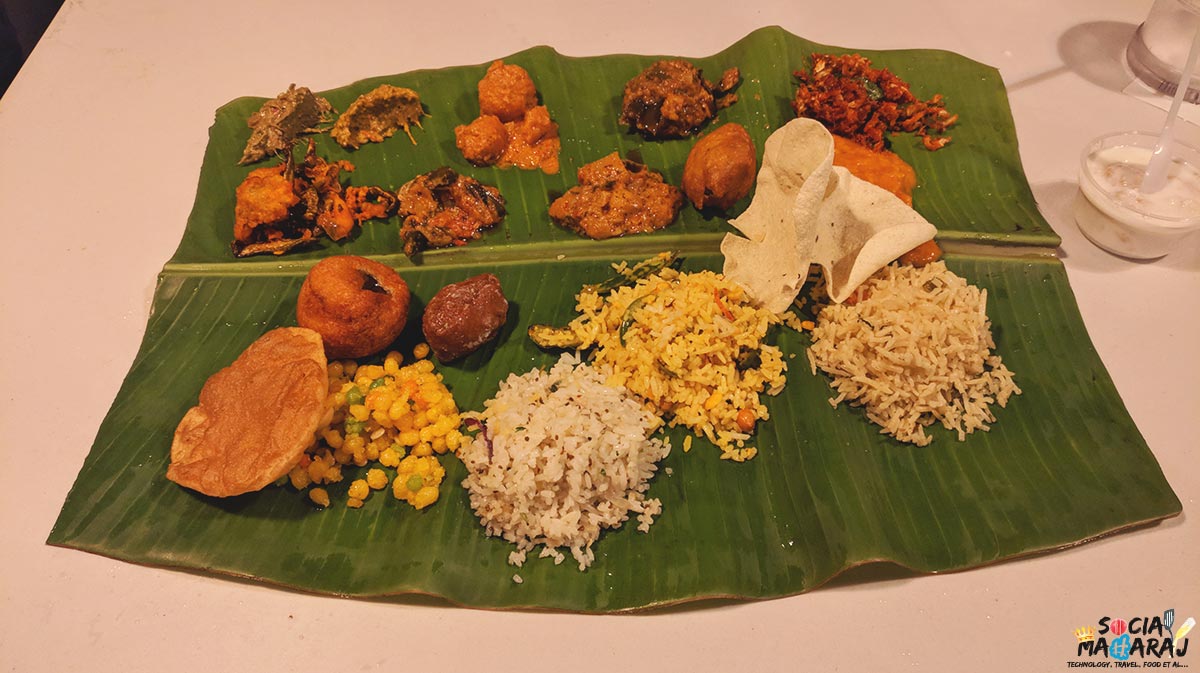
I won’t deny I had the same simplistic perception. Over time, however, as I explored deeper into the different regions of Andhra Pradesh, I discovered that North Andhra cuisine is refreshingly subtle and balanced. From the tangy Gutthi Vankaya (stuffed brinjal curry) that quickly became a favourite, to the comforting, mildly spiced Dapalam (Sambhar type but very subtle), Uttarandhra food surprised me with its layered flavours and wholesome ingredients – without the overwhelming heat.
In this blog post, I’ll walk you through my experience at a unique lunch dedicated to Uttarandhra Kathalu – the culinary tales of North Andhra cuisine – at The Culinary Lounge on behalf of the Onamaalu Community Initiative.
Also Read: Best South Indian Restaurants in Hyderabad.
What is Uttarandhra? Understanding North Andhra’s Culinary Heritage
Uttarandhra refers to the northern part of Andhra Pradesh, encompassing districts like Visakhapatnam, Vizianagaram, and Srikakulam. This region is unique not just geographically but culturally and culinarily as well.
The food of Uttarandhra is deeply influenced by its tribal communities and coastal environment. Unlike the more fiery, chili-heavy dishes often associated with Andhra cuisine from other parts, the North Andhra palette is relatively balanced and subtle. It places emphasis on fresh, local ingredients like millets, lentils, jackfruit, cashew, and moringa leaves. The flavors lean towards tangy, mildly spiced, and layered with complexity rather than just heat.

North Andhra Region, Courtesy: Wikipedia
Historically, the region’s proximity to the Eastern Ghats and the Bay of Bengal meant access to a variety of ingredients, from forest produce to seafood. The tribal communities have preserved many dishes that use indigenous grains and pulses, often cooked with minimal oil and tempered with fresh spices and herbs. This lends the cuisine a rustic, wholesome feel while maintaining a refined balance.
So while you might think of fiery red chili and heavy spice when it comes to Andhra, Uttarandhra offers a more nuanced, grounded approach – a cuisine that celebrates the earthiness of its ingredients with subtlety and grace.
The Special Uttarandhra Kathalu Lunch at The Culinary Lounge
So, when I was invited to a special lunch dedicated to Uttarandhra Kathalu – the culinary tales of North Andhra – at The Culinary Lounge on behalf of the Onamaalu Community Initiative, I couldn’t say no. This wasn’t going to be any ordinary Andhra meal; it promised a journey into the veg and non-veg Telugu dishes from the North Coastal Belt of Andhra Pradesh, presented by Chef Sowjanya Narsipuram of Swaadhistam, who is renowned for reviving age-old recipes.
The Culinary Lounge provided a quaint and intimate setting for this special lunch event, making it the perfect venue to showcase the cultural richness of Uttarandhra through food. The event was part of the broader Onamaalu Community Initiative, which focuses on reviving and preserving traditional recipes from different regions of Andhra Pradesh.
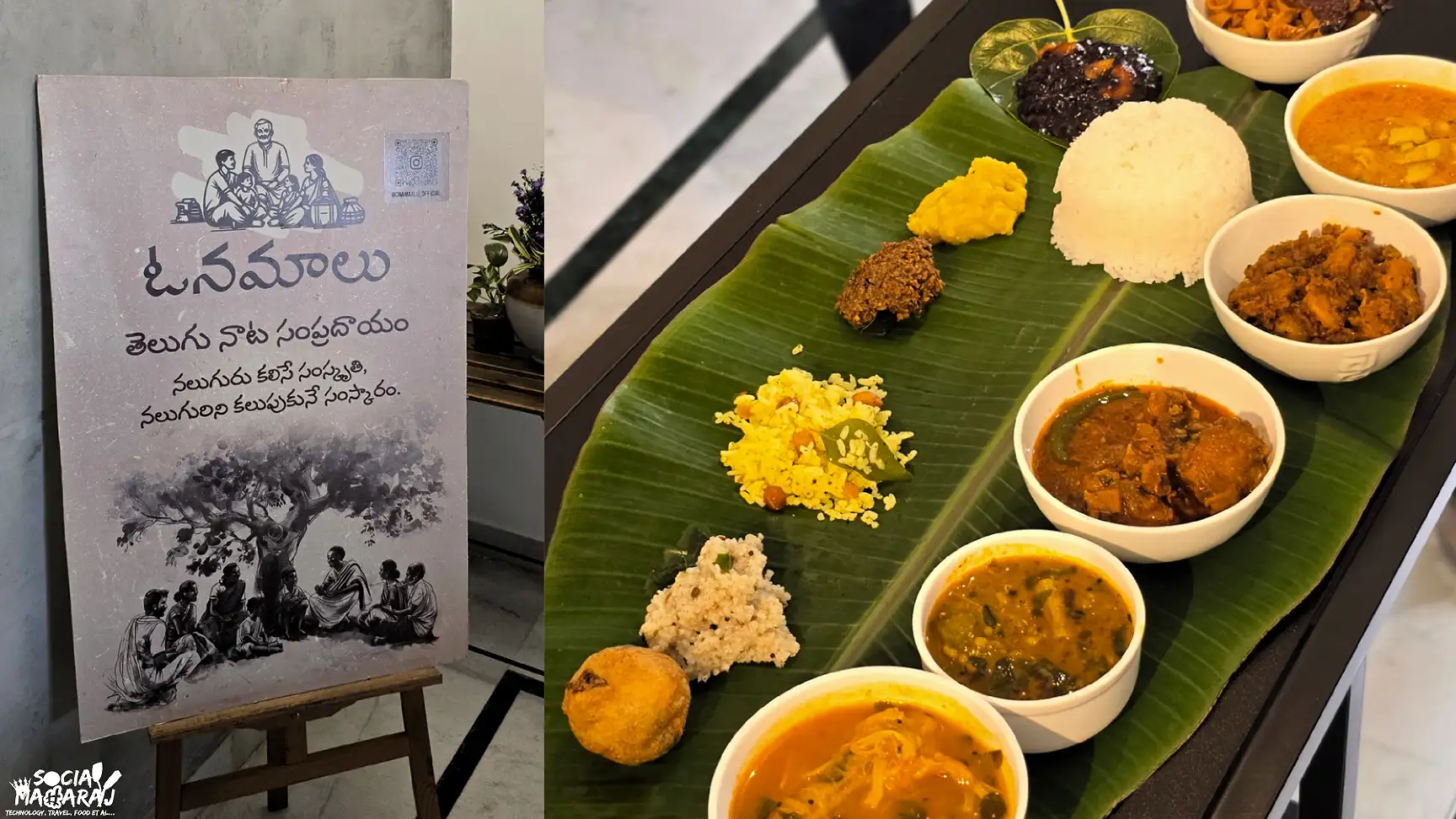
I was particularly excited because the menu included both vegetarian and non-vegetarian options, with an emphasis on authentic, time-honored recipes. Being a vegetarian, I had my share of simpler yet incredibly interesting dishes that showcased the depth of Uttarandhra cuisine without relying on heavy spices or complicated preparations.
Here’s a detailed look at the vegetarian dishes I tried, along with my thoughts on each:
Aavapindi Pulihora
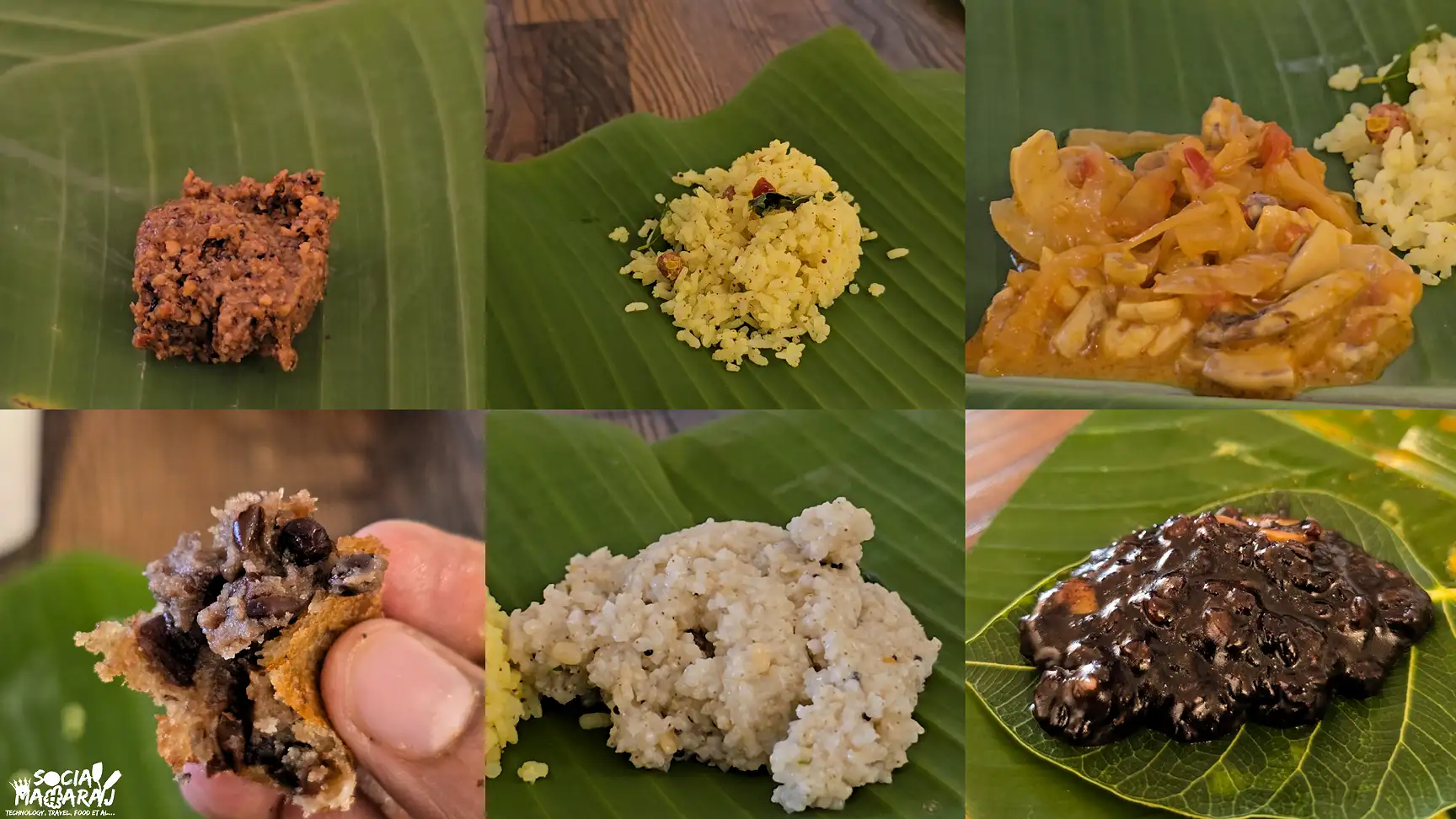
Aavapindi Pulihora is a mustard and lemon-flavored rice dish tempered with red chili. This is not your typical tangy tamarind pulihora but one that uses mustard seeds and lemon to give a refreshing zing.
I loved how the mustard seeds popped with a slight pungency against the mild heat of the red chili. The lemon added a bright citrus freshness that made the rice light and appetizing. A simple yet flavorful dish that sets the tone for the rest of the meal.
Oodala Talimpu
Oodala Talimpu is barnyard millet tempered with ghee, chili, and curry leaves. It reminded me of daliya upma or rava upma but with a rustic touch.
This was comfort food at its best – warm, nourishing, and subtly spiced. The ghee gave it a lovely richness, and the curry leaves added their characteristic aroma. A perfect dish for anyone looking for something wholesome yet uncomplicated.
Minumala Pacchadi
This is a homemade spicy coarse chutney made with black urad dal (black gram). It was thick, spicy, and packed with umami typish flavour – you have to taste it to know it better!
Hands down, this was one of the standout dishes for me. The black urad dal gave it a hearty texture, and the spices cut through beautifully. It was spicy but not overwhelming, making it an excellent accompaniment to the rice dishes.
Jeedipappu Kobbari Paala Koora
A fascinating dish where young cashew nuts are cooked in spiced fresh coconut milk. I never would have thought cashews and coconut milk would work so well together, but it was a revelation. The coconut milk lent a subtle sweetness and creaminess, balancing the gentle spices perfectly. This dish was delicate yet deeply satisfying.
Matki Pappu
Matki Pappu is moth dal cooked with methi leaves, a delicacy from the tribal areas of Vizianagaram.
The slight bitterness of the methi leaves complemented the earthiness of the moth dal beautifully. This dish had a rustic charm and was a lovely example of how simple ingredients can create complex flavor profiles.
Guna Chaaru
Guna Chaaru is a thick broth made with raw jackfruit and moringa leaves, finished with tamarind and jaggery, served alongside plain mashed toor dal. Reminded so much of Dapalam.
This was a unique dish I hadn’t encountered before. The jackfruit and moringa leaves gave the broth an earthy, slightly bitter note, while tamarind and jaggery provided the perfect balance of sour and sweet. Paired with the mashed dal, it was comforting and wholesome.
Sweet Endings: Traditional Desserts and Refreshing Nannari
No Andhra meal is complete without desserts, and the Uttarandhra lunch had some beautiful traditional sweets to round off the experience.
Junugula Boorelu
These are sweet fried dumplings made from red jowar and filled with coconut and jaggery. This was my absolute favourite! The outer layer was crispy, and the inside was gooey with the coconut-jaggery filling. The use of red jowar was a revelation – earthy and nutty, it elevated the boorelu to something truly special. Sweetened to perfection without being cloying.
Kala Bhatti Paramannam
A rice dessert made using desi black rice, coconut, and jaggery, lightly flavored with camphor and cardamom. This dessert reminded me of the temple prasadam from Kerala that my neighbour used to bring home. It was fragrant, mildly sweet, and had that distinct earthy note from the black rice. The camphor was subtle but added a beautiful aroma. A fitting end to a rich meal.
To accompany the meal, Nannari Sherbet – a traditional cooling drink made from Indian sarsaparilla (Anantmul) – was served. And you know how much I just love Nannari! Panchakattu still remains one of my favourite places to
Preserving Tradition: The Onamaalu Community Initiative
What made this lunch even more special was its association with the Onamaalu Community Initiative. In today’s fast-paced world, many of our age-old recipes risk being lost or forgotten. Onamaalu is working hard to ensure these culinary traditions are revived and passed on to future generations.
Through events like this lunch, where chefs like Sowjanya Narsipuram present revived recipes with authenticity and love, the initiative is helping bring Uttarandhra’s rich food heritage back into the spotlight. It’s heartening to see such efforts because food is not just nourishment – it’s culture, history, and identity.
I loved the Uttarandhra Kathalu meal I had. The food was subtle yet full of flavour, a refreshing change from the common perception of Andhra food as only hot and spicy. The Junugula Boorelu was an absolute favourite, followed closely by the Kala Bhatti Paramannam, the cashew coconut curry, and the urad dal chutney. Each dish told a story, a glimpse into the land and people of North Andhra.
Frequently Asked Questions About Uttarandhra Cuisine
What makes Uttarandhra cuisine different from other Andhra food?
Uttarandhra cuisine is distinguished by its balanced and subtle flavors, often using indigenous grains like millets, pulses, and fresh local ingredients such as jackfruit, cashew, and moringa leaves. Unlike the fiery, chili-heavy dishes common in other parts of Andhra Pradesh, North Andhra food emphasizes layered tastes with less heat.
Are Uttarandhra dishes mostly vegetarian or non-vegetarian?
The region offers both vegetarian and non-vegetarian dishes, with a strong presence of seafood due to its coastal location. However, many traditional vegetarian dishes focus on millets, lentils, and forest produce, reflecting the tribal culinary heritage.
How can I experience authentic Uttarandhra food in Hyderabad?
Look for special culinary events or community initiatives like Onamaalu, which aim to revive and showcase traditional recipes. Select restaurants and cultural festivals may also feature authentic North Andhra dishes prepared by chefs specializing in regional cuisine.
Final Thoughts
If you ever get a chance to explore the food of Uttarandhra, don’t hesitate. It’s a cuisine that balances simplicity with complex flavours, deeply rooted in local produce and traditions. Whether it’s the tang of mustard-flavored pulihora, the rustic charm of millet dishes, or the sweetness of jaggery-laden desserts, every bite is a journey into India’s diverse culinary tapestry.
Trust me, this is not the fiery, one-note Andhra food you might expect. It’s subtle, soulful, and refreshingly different.
If you have any queries or suggestions, drop them in the comments below. You can also tweet to me at @Atulmaharaj or DM @Atulmaharaj on Instagram to get in touch.